No. 194 of 217
The CTS-V is the first race car developed by GM Racing in conjunction with the new GM Performance Division, an in-house center established in 2002 to explore potential enthusiast-oriented versions of production models. The CTS-V, introduced in late 2003 as a 2004 model, signaled Cadillac's entry into the low-volume, high-performance luxury car niche, and was the first vehicle to wear the division's high-performance V-series badge.
This car is the original factory prototype of the Cadillac CTS-V and was driven in SCCA (Sports Car Club of America) Race Series events by GM engineer and highly acclaimed race driver John Henrici.
John Henrici (born November 19, 1947) is a U.S. automotive engineer and noted racecar driver. He had a long and distinguished career at General Motors, serving as Director of the GM Performance Division before retiring from GM in October 2008. In 2009 in the second-generation CTS-V sedan he achieved a lap time of 7:59.32 at the Nürburgring Nordschleife, which was the fastest documented time for a production sedan on factory tires until the Porsche Panamera Turbo clocked a time of 7:56 in July 2009 thanks to a heavily-tuned "LS9" EATON-supercharged 6.2-liter (380 in3) V8 engine that was borrowed from Corvette. The engine was renamed as "LSA" and it produces 556 horsepower and 551 pound-feet (747 N⋅m) of torque. The same "LSA" engine is used in the CTS-V coupe and wagon.
The V series was initially created as part of the 2000s Cadillac rebranding and the new 'Art & Science' design language to compete directly with German rivals such as BMW M and Mercedes-AMG. The first-ever V series model was the 2004 Cadillac CTS-V which became a successful seller and steered Cadillac in the new direction for the following decade. The "V" was chosen as a salute dedicated to post-WWII Cadillacs that featured a V-shape ornament below the crowned wreath logo, the shape itself was never recognized as a letter back then. Most V series Cadillac cars traditionally include high-performance V8 engines, transmissions, revised suspension systems (MagneRide Control), revised interiors, aerodynamics, and more aggressive bodywork which is intended to improve the vehicles' aerodynamic performance as well as differentiate them from their normal production counterparts.
Cadillac has also re-entered motorsport competition with their CTS-V.R, a joint venture between GM Performance Division and Pratt & Miller race team, most famous for their role in GM's Le Mans-winning Corvette C5.R program.
The V-Series development emerged from the mindset taking over at General Motors back in the late 1990s and early 2000s, where Cadillac was struggling against imports from Europe and Japan. GM was eager to bring Cadillac back to its mantra "Standard of the World" and the new 'Art & Science' design language that matured in the late nineties auto shows gave the brand an aggressive and edgy leap ahead that looked promising at that time.
The team assigned to create the first-generation CTS recognized early on that a high-performance variant was necessary, not only to rival competition and display Cadillac's resurgence, but also to pull young and new customers to Cadillac.
In 2004, the first-ever Cadillac V-Series was the CTS-V, which appeared in the movie The Matrix.
6.0 Liter V-8 engine
Supercharged
700 horsepower (estimated)
6-speed transmission
Carbon Fiber front end and body panels
Graphic/ceramic 4-wheel disc brakes
132" wheelbase
Modern & Imports / 1980–Today
More from the collection.
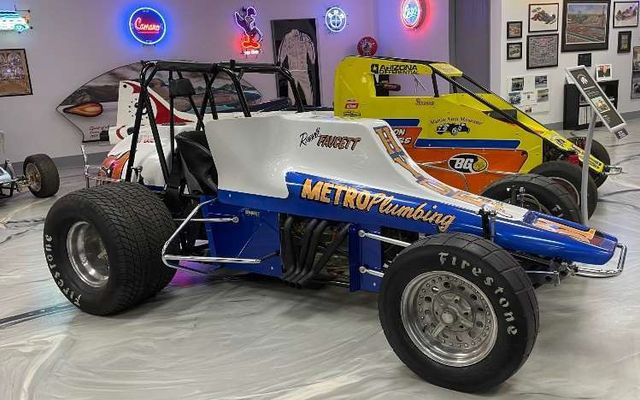
1980 Metro Plumbing Sprint Car
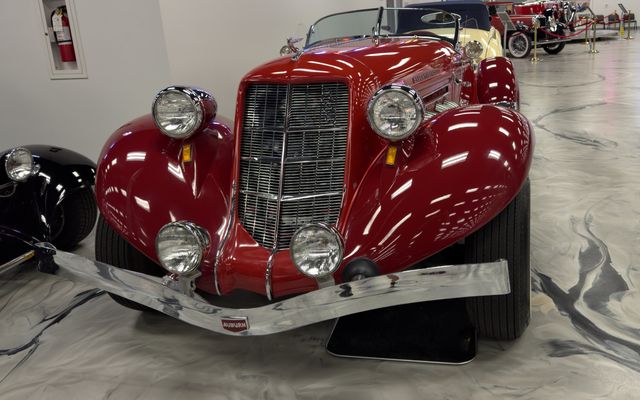
1980 Auburn 866 Boattail Speedster (Replica)
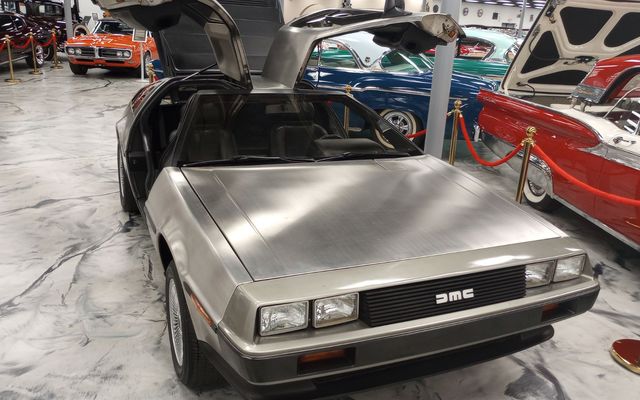
1981 DMC DeLorean
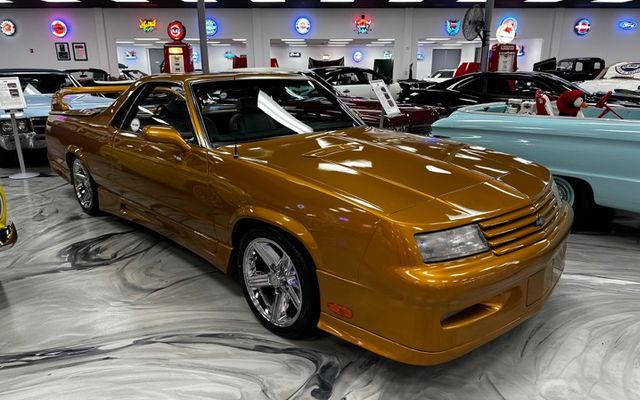
1987 Chevrolet El Camino Custom
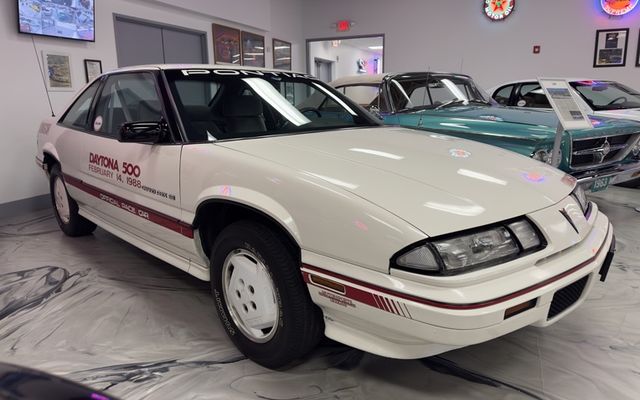
1988 Pontiac Grand Prix SE (Daytona 500 Pace Car Edition)
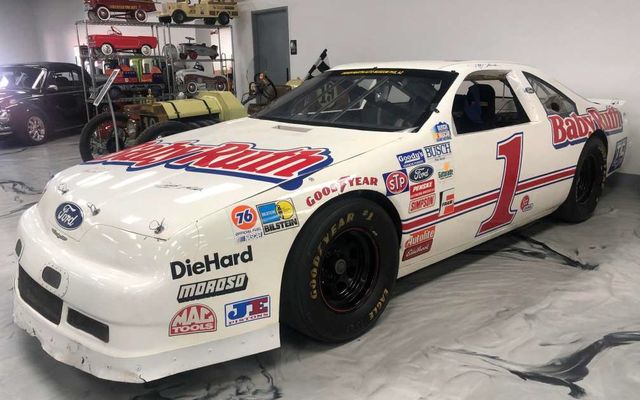
1990 Ford NASCAR "Baby Ruth Car"
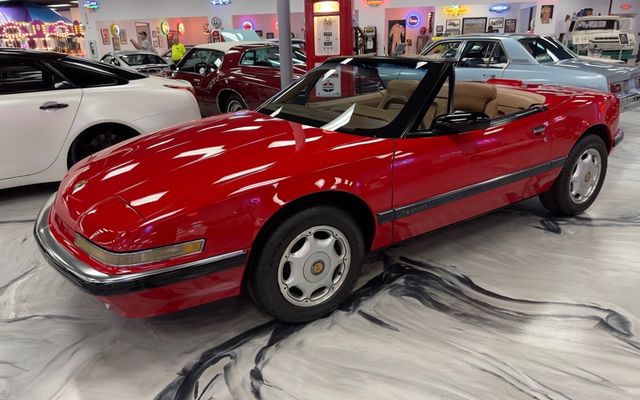
1991 Buick Reatta Convertible
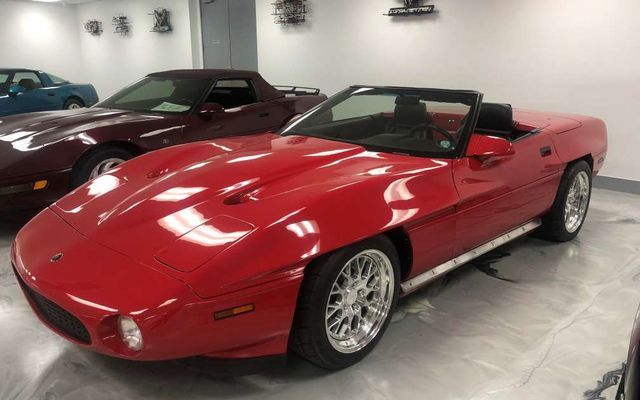
1992 Chevrolet Corvette Lister C4
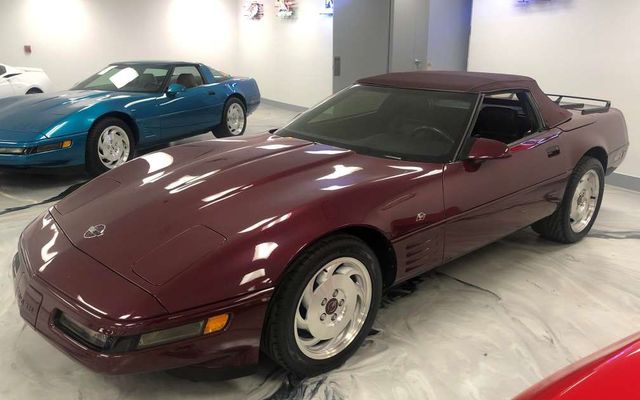
1993 Chevrolet Corvette Convertible 40th Anniversary Edition
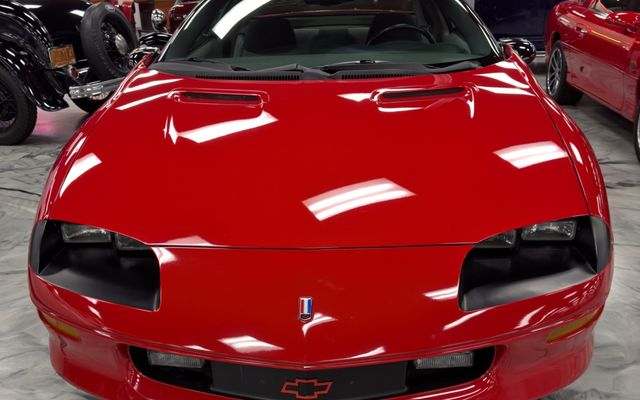
1994 Chevrolet Camaro Z28