No. 171 of 217
The 1987 Chevrolet El Camino was the final model year of the fifth-generation El Camino, marking the end of its production in the United States. It was a unique vehicle combining the utility of a pickup truck with the styling and comfort of a car, built on the GM G-body platform shared with the Chevrolet Malibu.
• Engine Options:
• Standard: 4.3L V6 (145 hp)
• Optional: 5.0L V8 (150 hp)
• Transmission: 3-speed automatic (Turbo Hydra-Matic) or optional 4-speed automatic.
• Features:
• Two-door coupe utility with a rear cargo bed.
• Available trims included base and upscale Conquista, with the high-performance SS (Super Sport) model featuring distinctive decals, sporty suspension, and unique styling.
• Offered modern (for the time) amenities like air conditioning, power steering, and AM/FM stereo.
• Performance: The V8 provided decent power for light hauling or cruising, though it was not a high-performance vehicle compared to modern standards.
• Production: Built in Mexico for the U.S. market, as domestic production ended earlier. Exact production numbers for 1987 are scarce, but estimates suggest around 13,000-15,000 units.
The 1987 El Camino was a practical yet stylish vehicle, appealing to buyers needing a versatile car-truck hybrid. Its retro design and unique niche have made it a collector’s favorite today.
Brief History of the El Camino
The Chevrolet El Camino was introduced in 1959 as a response to the Ford Ranchero, blending car-like styling with pickup utility. Its name, meaning “the path” in Spanish, reflected its dual-purpose nature. Here’s a concise timeline:
• First Generation (1959–1960): Based on the full-size Chevrolet Impala/Biscayne platform, it featured bold fins and a spacious bed. Discontinued after 1960 due to modest sales.
• Second Generation (1964–1967): Revived on the midsize Chevelle platform, it gained popularity with muscle car styling and powerful V8 options, including SS variants.
• Third Generation (1968–1972): Continued on the Chevelle platform with aggressive restyling. The 1970 SS 454 was a high point, offering up to 450 hp, making it a muscle car icon.
• Fourth Generation (1973–1977): Larger and heavier due to new safety regulations, it leaned toward luxury and utility over performance.
• Fifth Generation (1978–1987): Built on the downsized GM G-body (Malibu) platform, it emphasized fuel efficiency and comfort. The El Camino survived the 1970s oil crises but faced declining sales in the 1980s as compact trucks and SUVs gained popularity. Production shifted to Mexico in the 1980s, and 1987 was its final year in the U.S. due to low demand.
The El Camino remains a cultural icon, celebrated for its unique car-truck blend and versatility. While there have been occasional rumors of a revival, no new El Camino has been produced since 1987. Its legacy endures among enthusiasts and collectors.
$14,568 msrp in 1987 (equal to $41,225 in 2025)
Specs (Stock):
305 ci (5.0L) Small Block Chevy OHV 90° V8 Engine, 9.3:1 Compression, Rochester 4-barrel carburetor
Bore: 3.736 in (94.9 mm) Stroke: 3.48 in (88.4 mm)
150 hp @4,000 rpm, 240 lb-ft @2,000 rpm, Maximum rpm: About 4,700 rpm
4 speed 200-4r automatic, 3.08:1 axle ratio (2.56:1 was standard)
3,550 lb (1,610 kg) curb weight
Performance (Stock, estimated):
0-60 mph: 9.4 seconds (9.8 with 2.56:1)
1/4 mile: 17.3 seconds @79 mph (17.45 @80 mph with 2.56:1)
Top speed: ~110 mph (177 kph)
Features (Stock):
Air conditioning
Power steering and brakes
Tilt steering column
Power windows and locks
Electronic AM/FM stereo radio with cassette tape player and digital clock
Electronic cruise control
Limited slip differential
Two-tone brown paint (Light chestnut upper, dark chestnut lower)
Conquista appearance package
Bumper guards with rub strips
Modifications:
350 ci LT1 Small Block Chevy from a 1994 Buick Roadmaster (260 hp, 330 lb-ft stock, about 300 hp, 360 lb-ft now)
4L60-E 4 speed automatic
Aftermarket air intake/filter
Dual exhaust
3-core aluminum radiator with Derale electric fans, external oil cooler
2.73:1 axle ratio
18-inch IROC Camaro wheels and 245/40R18 tires (14-inch wheels and 205/75R14 tires stock)
Camaro 12" front brake rotors (10.5" stock)
Air shocks
Lauren Engineering fiberglass body kit and Chevrolet Lumina front end conversion
Shaved doors and tailgate (handles and license plate holder removed)
License plate relocated to rear bumper
Fiberglass locking bed cover with rear spoiler
2002 Corvette taillights and power mirrors
Repainted in Sundance Metallic Yellow (2009 Toyota Matrix color option)
Dakota Digital gauges
6-way power seats from a 1995 Mercury Cougar
1994 Pontiac Bonneville door panels and headliner, with map lights and overhead storage
Pontiac Grand Am center console with shifter (column shift originally)
Modern & Imports / 1980–Today
More from the collection.
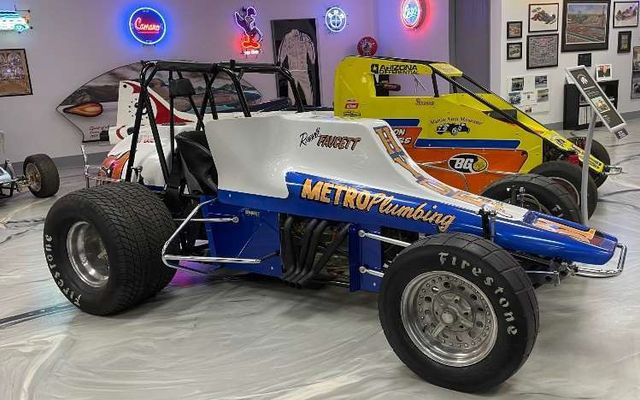
1980 Metro Plumbing Sprint Car
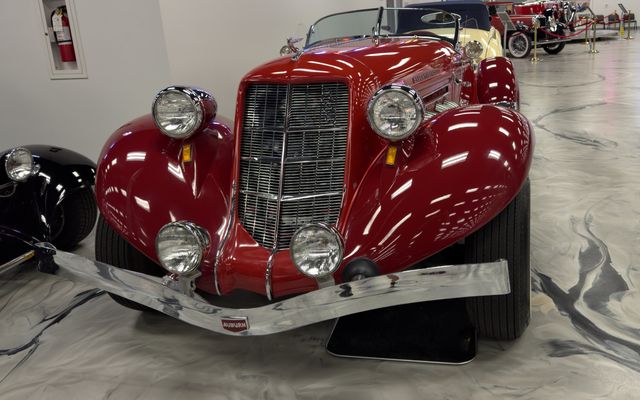
1980 Auburn 866 Boattail Speedster (Replica)
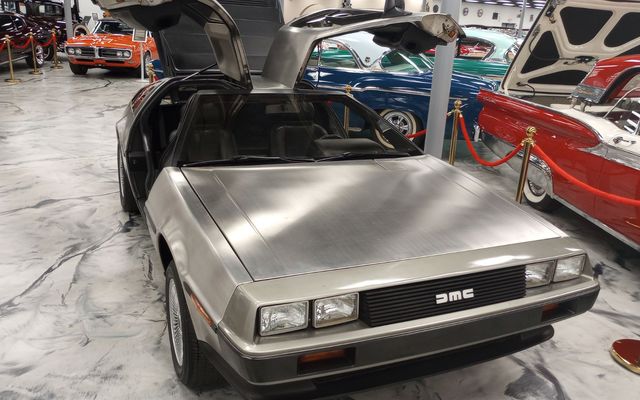
1981 DMC DeLorean
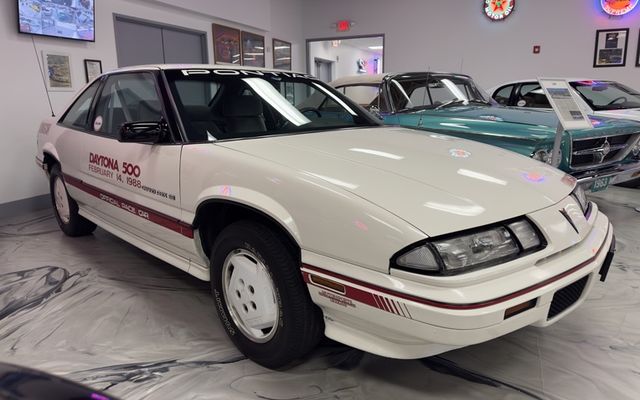
1988 Pontiac Grand Prix SE (Daytona 500 Pace Car Edition)
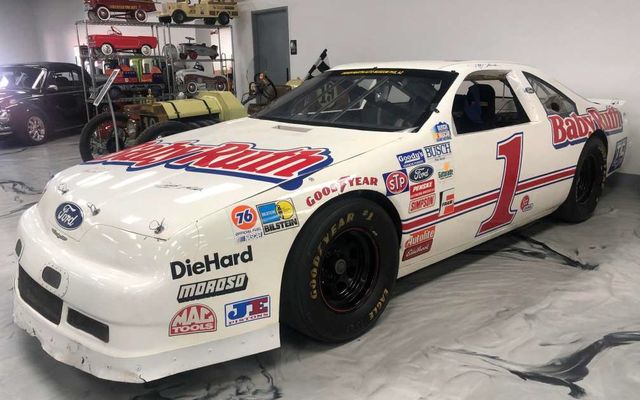
1990 Ford NASCAR "Baby Ruth Car"
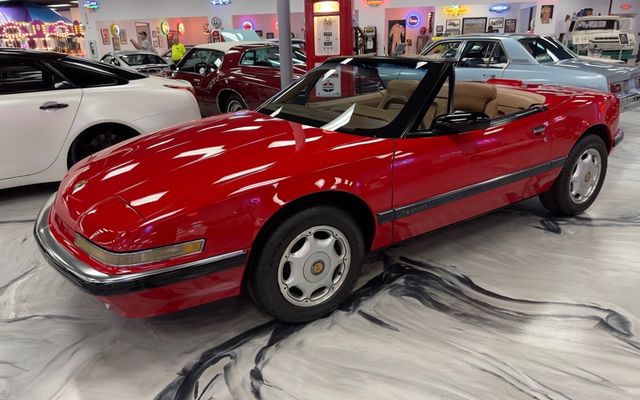
1991 Buick Reatta Convertible
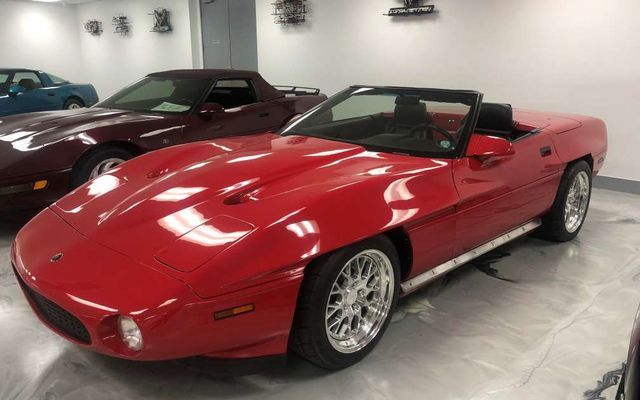
1992 Chevrolet Corvette Lister C4
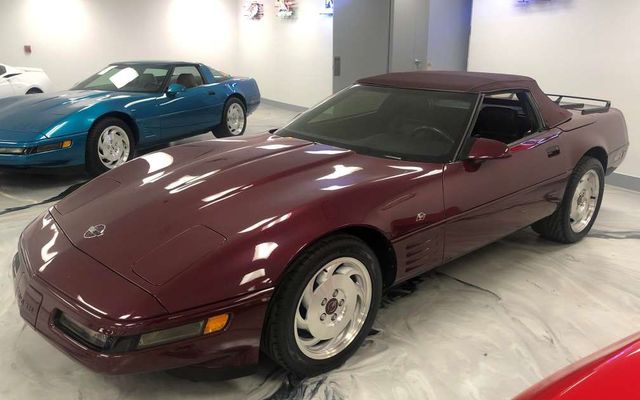
1993 Chevrolet Corvette Convertible 40th Anniversary Edition
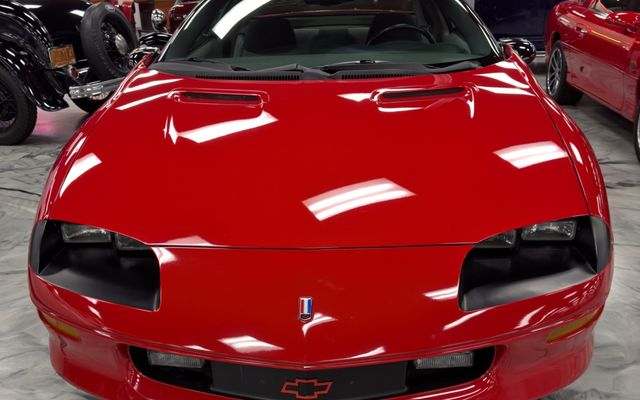
1994 Chevrolet Camaro Z28
 Harley-Davidson
1994 Harley Davidson Softail Arizona Diamondbacks Custom