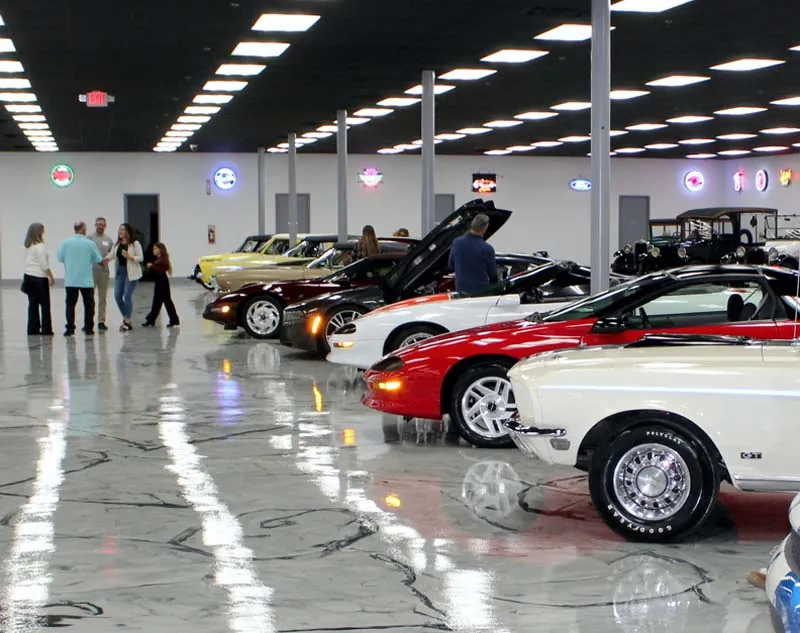
No. 169 of 217
Auburn was a brand name of American automobiles produced from 1900 to 1937, most known for the Auburn Speedster models it produced, which were fast, good-looking and expensive. However, after the 1929 Wall Street Crash, and the economic downturn that ensued, Auburn's expensive automobiles, along with its also very expensive sister marques Duesenberg and Cord, saw inevitable sales downturns, and all vehicle business halted in 1937.
After a 1940 bankruptcy reorganization, the former Auburn Automobile Co. merged with the Central Manufacturing Company into Auburn Central Manufacturing (ACM) Corporation, which received large amounts of World War II production work, so much so, that in 1943, they rebranded ACM as American Central Manufacturing. One of their most notable WW II contributions involved manufacturing the bodies of at least three quarters, or about half a million, of the World War II Willys and Ford 1/4ton jeeps.
The original 1935 and 1936 Auburn Speedsters are some of the most sought-after collector cars from the classic car era. With prices north of a half million dollars for Concours quality cars, replica cars - or second generation - became popular.
Amenities such as power steering, power brakes, air conditioning and modern V-8 drive trains with independent suspensions were not available on the original cars, but they were on the more recent reproductions of the classic cars.
The Auburn Automobile Company was a luxury car manufacturer based in Auburn, Indiana. However, by 1937 the company was facing financial difficulties and was forced to close its doors. In 1938, Detroit entrepreneur Dallas Winslow purchased the remaining assets of the company, including the parts inventory, for $85,000 and an additional $25,000 for the Auburn administration building. He renamed the company the Auburn-Cord-Duesenberg Company (ACD Co.) and began operating it as a parts supplier for Auburn cars. The ACD Co. also offered service and restoration work at the original factory in Auburn, Indiana, using the expertise of former Auburn employees.
In the early 1960s, Oklahoma industrial arts teacher and Cord restorer Glenn Pray offered to buy the ACD Company. Pray was able to strike a deal with Winslow, and the remaining inventory of ACD parts were packed up and moved to Broken Arrow, Oklahoma. Pray also acquired the trademark names Auburn, Cord, and Duesenberg. The ACD Co. continued to offer parts and restoration work, but Pray had bigger plans. He wanted to put the 1936-1937 Cord back into production and he did just that. A newly engineered front-wheel-drive Modern Cord 8/10 was available from the ACD Co. in 1964, designed with the help of Gordon Buehrig, the car's original designer.
Glenn Pray's accomplishments and the Cord 8/10 story have been featured in many major publications, including Automobile Quarterly and Popular Mechanics Magazine. After Glenn's involvement with the Cord ended, he turned his attention to building a modernized version of the 1935/851-1936/852 Auburn Speedster. Engineering started in 1966, and the prototype Speedster was completed in April 1967. The first public showing was in August 1967 at the annual ACD Club meet in Auburn, Indiana. The car was then road-tested for 40,000 miles, and only minor modifications were needed for the production Speedsters. The new Auburn, known as the 866 Speedster, was made available to the public in 1968 and was priced at $8,450. The 1968 production cars were equipped with a big block 428 Ford engine and came with either an automatic or four-speed transmission.
Functional supercharger-style exhaust pipes, power steering, power brakes, and air conditioning were just a few of the modern conveniences offered.
After Glenn Pray's death in 2011, the leadership of the Auburn-Cord-Duesenberg Company (ACD Co.) fell to his son, Doug Pray. Since then, Doug has worked tirelessly to rejuvenate the "pickle plant" and ensure that operations continue along with the legacy of the ACD Co. Most recently Glenn’s Grandson and Doug’s son, Adam Pray, has taken over the operations of the company to become the 3rd generation of Prays to lead the Auburn-Cord-Duesenberg Company.
Today, the ACD plant is a bustling hub of activity, with work continuing on dozens of restoration and repair projects involving various original Cord and Auburn models. The ACD Co. is still committed to offering some of the world's finest automobile restorations and is still the go-to destination for automobile enthusiasts worldwide seeking new old stock parts. The company's focus on quality, attention to detail, and dedication to preserving the legacy of these iconic brands have made it a leader in the automotive restoration industry. Under Adam Pray's leadership, the ACD Co. continues to be a vital part of the car community, dedicated to keeping these classic cars on the road and preserving their legacy for future generations.
The Auburn Cord Duesenberg Company, located in Broken Arrow, Oklahoma, put the Auburn Speedster back into production in 1968. Their cars were referred to as Auburn 866 Speedsters. The "8" was in keeping with Auburns original 8-cylinder series of cars and the "66" from the year 1966 when the engineering started on the New Speedster. The 866 Speedsters were built from 1968 through 1981.
Buick 350 cubic-inch V-8 engine
Single 4-barrel carburetor
Modern & Imports / 1980–Today
More from the collection.
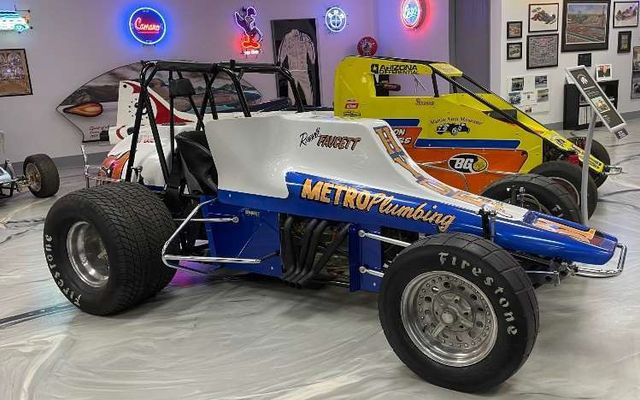
1980 Metro Plumbing Sprint Car
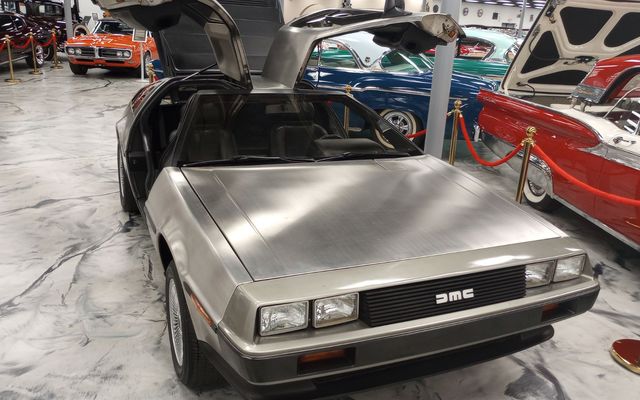
1981 DMC DeLorean
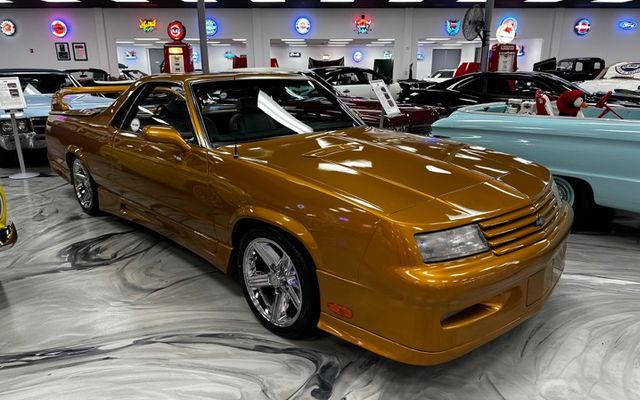
1987 Chevrolet El Camino Custom
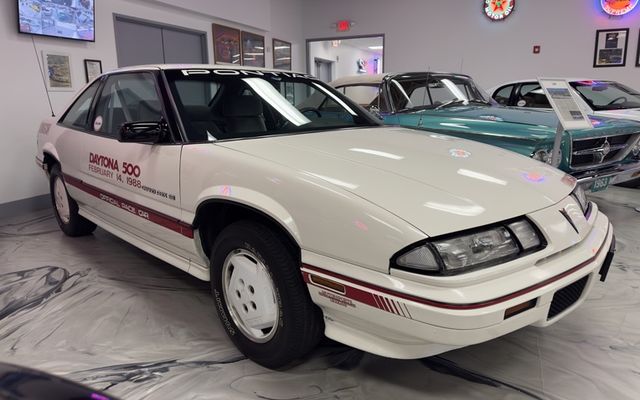
1988 Pontiac Grand Prix SE (Daytona 500 Pace Car Edition)
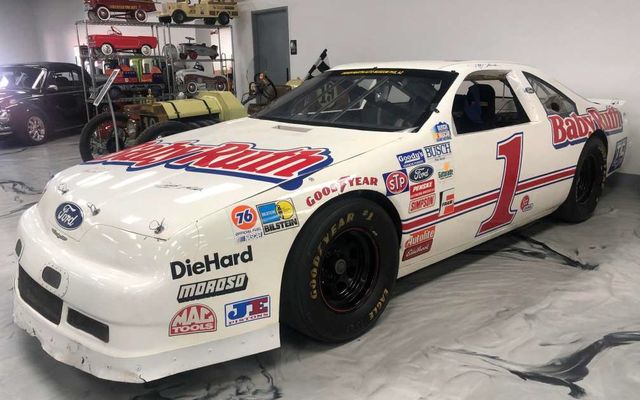
1990 Ford NASCAR "Baby Ruth Car"
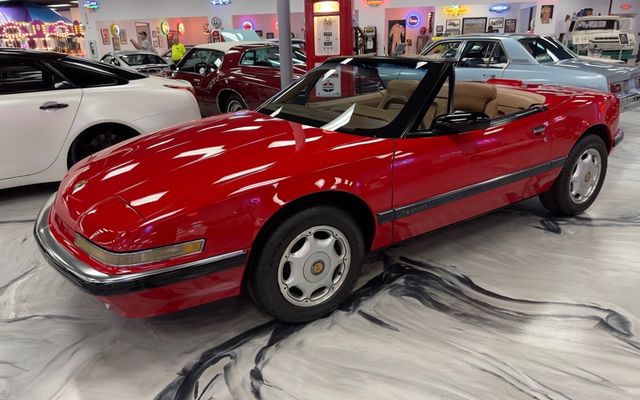
1991 Buick Reatta Convertible
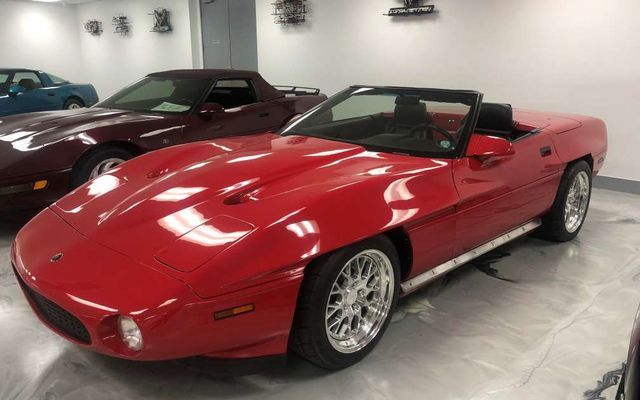
1992 Chevrolet Corvette Lister C4
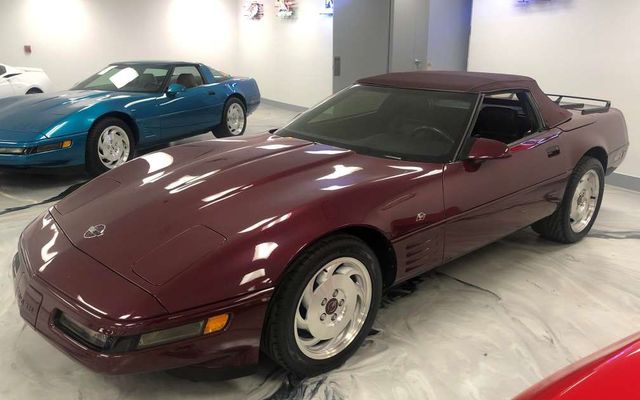
1993 Chevrolet Corvette Convertible 40th Anniversary Edition
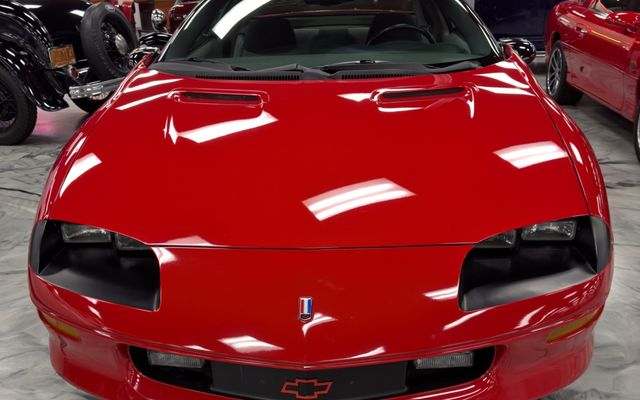
1994 Chevrolet Camaro Z28
 Harley-Davidson
1994 Harley Davidson Softail Arizona Diamondbacks Custom