No. 174 of 217
As Buick's first two-seater and its first convertible since the 1985 Riviera, the Reatta was manufactured in a highly-specialized assembly program at the Reatta Craft Center (later known as the Lansing Craft Center) in Lansing, Michigan — achieving production of more than 21,000 cars in four years.
After a delayed introduction due to design difficulties, Buick introduced the convertible Reatta in 1990 with a manually-operated top available in vinyl or cloth with a glass rear window and electric defroster. When retracted, the top was protected by a rigid tonneau cover. The 1991 models featured power pull-down motors to assist in tightening the rear bow of the top to the tonneau cover.
A Buick convertible would not be offered again until the four-seat Buick Cascada debuted in 2016.
3.8-liter LN3 Buick V-6 engine
170 horsepower
4-speed 4T60-E automatic transmission
98.5-inch wheelbase
Only 305 Reatta convertibles were produced in 1991
Sold for $35,965 new
The Buick Reatta is a low-volume transverse front-engine, front-wheel drive, two-door, two-seater grand tourer manufactured and marketed by Buick as a coupe (1988–1991) and convertible (1990–1991) — both featuring a 3.8-liter V6 engine and shortened version of the GM E platform, shared with the seventh generation Buick Riviera.
As Buick's first two-seater and its first convertible since the 1985 Riviera, the Reatta was manufactured in a highly specialized assembly program at the Reatta Craft Center (later known as the Lansing Craft Center) in Lansing, Michigan—achieving production of over 21,000 units in four years.
For the Reatta's manufacture at the Reatta Craft Center, specialized teams of workers assembled the car at a series of stations rather than on a conventional assembly line. After a team had completed their portion of the assembly, the car would be moved by robots to the next station. Paintwork was performed on site under subcontract to PPG Industries.
The Reatta used GM's transverse "Buick 3800" V6 with 165–170 hp (123–127 kW) and 210–220 lb·ft (285–298 N·m) of torque with the highest output in the last year of production. The car used a fully independent suspension, 4-wheel disc brakes with ABS, and front wheel drive. Top speed was electronically limited to 125 mph (201 km/h). The Reatta was rated at 18 mpg (13.1 L/100 km) in the city and 27 mpg (8.7 L/100 km) on the highway.
Intended as a halo car for Buick, production was projected at 20,000 Reatta's annually, and was available while the Cadillac Allanté and Pontiac Fiero were also available. GM announced the end of production in early 1991.
The Reatta featured twin bucket seats with a storage area behind the seats featuring two lockable bins and a lockable access hatch to the rear trunk. At introduction, options included 16-way power seats in lieu of 6-way power seats, side moldings in either black or body color and pinstripe delete. A sunroof became optional in late 1988, and in 1989 keyless entry was added as a standard feature. The 1988 listed retail price was $25,000 ($64,406 in 2023 dollars).
The Reatta had the distinction of being Buick's only car with pop-up headlamps with the entire headlamp assembly moving up and down. The other Buick cars with hidden headlamps, the Riviera (1965–1969) and the Skyhawk (1987–1989 for certain trim levels), had fixed headlamps hidden behind moveable covers.
Initially (1988–89), the Reatta featured a touchscreen computer interface, marketed as the Electronic Control Center (ECC), that included radio and climate control functions, date reminder, trip computer and user-configurable overspeed alarm, as well as diagnostic access to the vehicle's electronic systems and sensors. Later models were equipped with conventional push-button stereo and climate controls. The new system eliminated the trip computer functionality and the climate control buttons could access diagnostic information, replacing the diagnostic scanner capability formerly provided by the touchscreen.
Rick DeBruhl Commentary - "Why did the Buick Reatta Fail?"
Modern & Imports / 1980–Today
More from the collection.
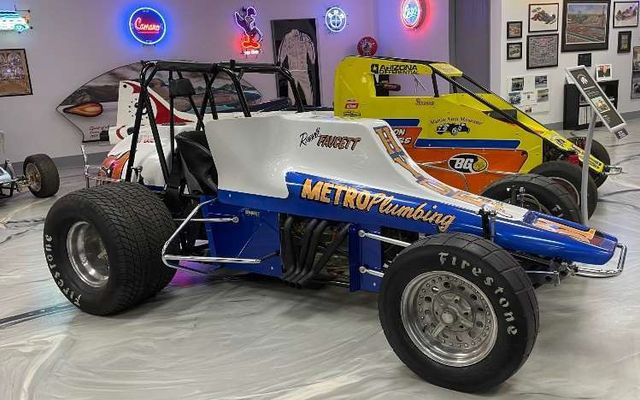
1980 Metro Plumbing Sprint Car
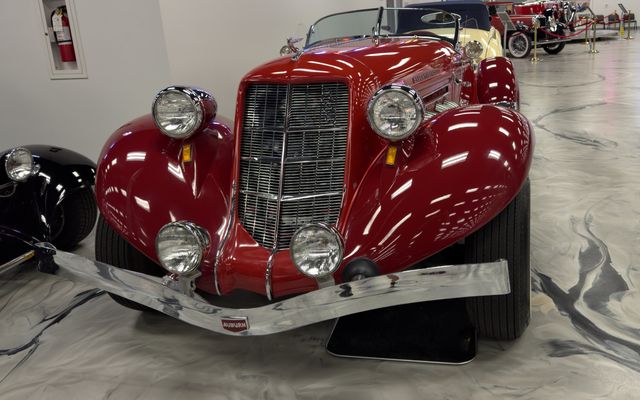
1980 Auburn 866 Boattail Speedster (Replica)
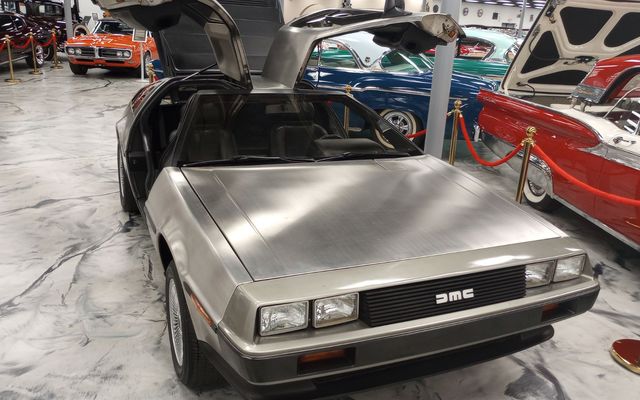
1981 DMC DeLorean
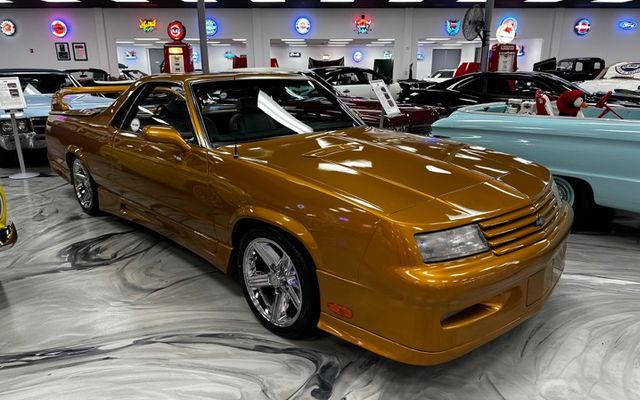
1987 Chevrolet El Camino Custom
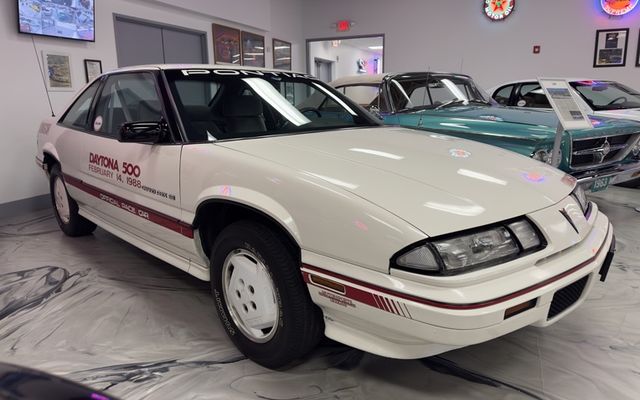
1988 Pontiac Grand Prix SE (Daytona 500 Pace Car Edition)
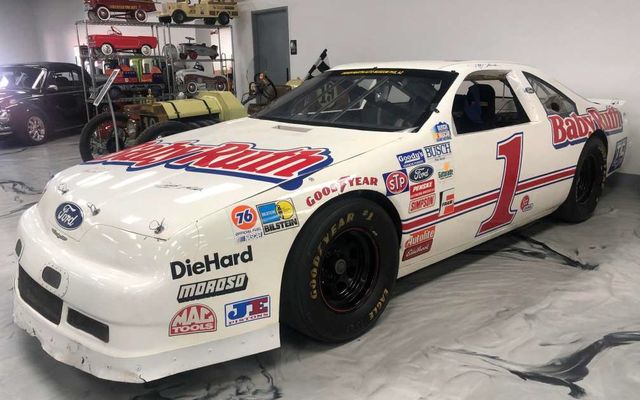
1990 Ford NASCAR "Baby Ruth Car"
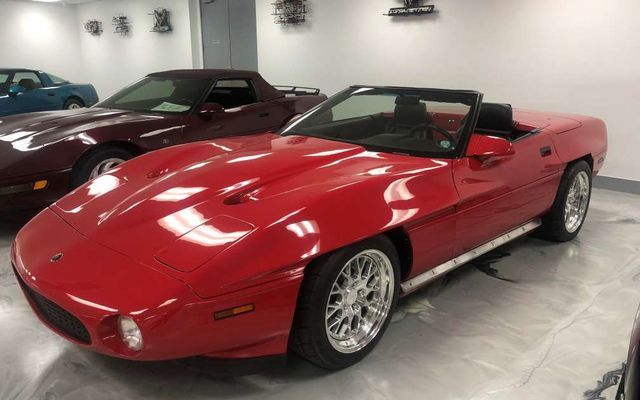
1992 Chevrolet Corvette Lister C4
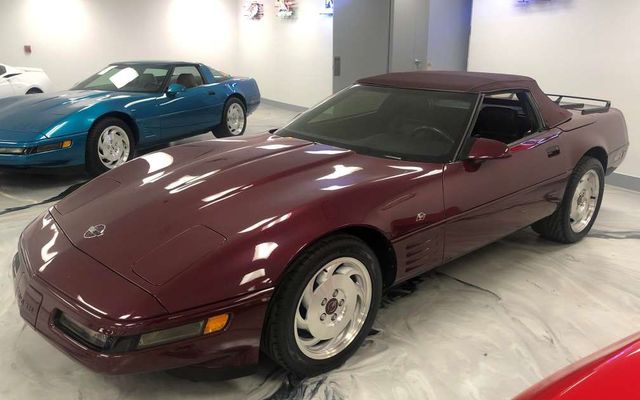
1993 Chevrolet Corvette Convertible 40th Anniversary Edition
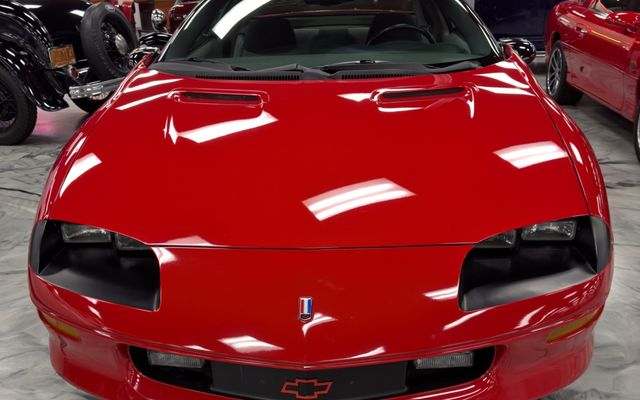
1994 Chevrolet Camaro Z28
 Harley-Davidson
1994 Harley Davidson Softail Arizona Diamondbacks Custom