No. 026 of 217
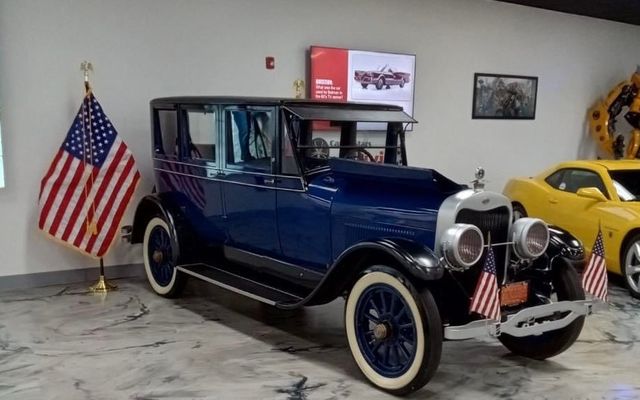
General Motors chairman Alfred P. Sloan had been considering a new vehicle range to fill the ever-growing gap between Buick and Cadillac since about 1920, but it wasn't until 1924 when Cadillac's president Lawrence Fisher finally put that plan into motion. A key move from Fisher was to hire a talented young designer named Harley Earl to style this new car, called LaSalle. The son of a California coachbuilder, Earl was assigned the task of designing a stylish new motorcar that would convey the elegance and status of Cadillac, but with a more sporting and agile design, and at a more affordable price point.
In 1930, LaSalle's V-8 was in essence the same size and output as the Cadillac's, imparting the lighter LaSalle with a sporty, agile feel. It seemed that GM came along with the idea for a junior Cadillac brand at just the right time.
Given the economic crash of the late 1920s, the more affordable car sold exceptionally well in its first three years, often outselling its senior sibling handily. By the end of the 1930s, LaSalle had become a serious threat to Cadillac and was stealing sales from the flagship marque, and so it was given the axe in 1940.
This 7-passenger car is a favorite of our founder and Chairman Mel Martin. He drove this car in the Great American Race (now the Great Race) twice - from Marietta, Georgia to Anaheim, California and from Jacksonville, Florida to Sonoma, California, The LaSalle was the inspiration for the museum's logo and this car is occasionally used for special events like weddings, parades, car shows, and more.
Coachwork by Fleetwood
134” Wheelbase
240 cubic inch, 20 degree, L-head V-8 engine
80 horsepower
3-apeed synchro-mesh transmission
Safety mechanical brakes on all four wheels
Pre-War Classics / 1916–1941