No. 013 of 217
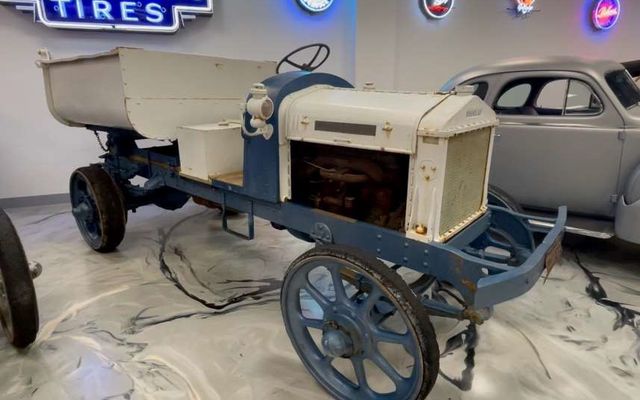
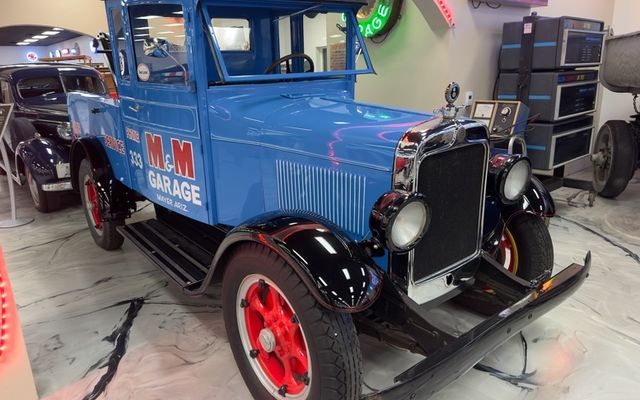
This rare screen-side truck was built by the Dodge Brothers, then shipped to the Graham brothers for final body attachments which include the screen sides seen today. This truck was used to haul just about anything - although primarily produce. The screen sides on this truck would allow the cargo to be aired out as it was hauled to the destination.
The 1924 Dodge screen bed truck is a classic light-duty commercial vehicle produced by Dodge Brothers, known for its robust design and practicality.
By 1924, Dodge Brothers was a well-established automobile manufacturer, known for building durable vehicles. The company entered the light truck market in the 1910s to address the growing demand for commercial vehicles in the U.S. The screen bed truck was designed primarily for businesses that needed a lightweight yet sturdy vehicle for hauling goods. Its “screen bed” design made it suitable for transporting items like produce, livestock, or other light loads that benefited from ventilation. Dodge trucks were favored for their reliability and toughness, gaining popularity among small business owners and farmers. Transition Period: 1924 marked one of the final years of Dodge Brothers’ independent operations before Chrysler Corporation acquired the company in 1928.
The 1924 Dodge screen bed truck is a reflection of the automotive industry’s focus on practical, work-oriented vehicles during the early 20th century. It set a precedent for Dodge’s commitment to producing reliable commercial trucks, a legacy that continues to this day. Built in May 1924 the factory price was $910, 1 of 9,834 produced and is 1 of only 7 remaining.
Engine:
Type: Inline 4-cylinder engine.
Displacement: 212 cubic inches (3.5 liters).
Power Output: Approximately 35 horsepower.
Cooling: Water-cooled.
Transmission:
Type: 3-speed manual transmission.
Clutch: Single-plate dry clutch.
Chassis and Suspension:
Chassis: Steel ladder-frame design.
Suspension: Semi-elliptical leaf springs front and rear.
Wheelbase: Approximately 114 inches, depending on the specific model.
Body Style:
The “screen bed” was a wooden flatbed with wire mesh or slatted sides to allow ventilation. This design was particularly useful for transporting perishable goods or livestock.
The cab was open or enclosed, typically made from a combination of steel and wood.
Truck: ¾ ton
Brakes:
Type: Mechanical drum brakes on rear wheels (front brakes were uncommon at the time).
Weight and Capacity:
Curb Weight: Weight is 2,847 pounds lbs. (varied by configuration).
Payload Capacity: Approximately 1 ton (2,000 lbs.).
Wheels and Tires:
Wheels: Wooden or steel-spoked wheels.
Tires: Solid rubber or pneumatic tires (depending on customer preference).
Fuel System:
Fuel Tank: Located under the seat or on the frame, with a capacity of about 15 gallons.
Fuel economy was approximately 10-15 miles per gallon.
Top Speed:
Around 35-40 mph, suitable for the era’s roads and usage.
Pre-War Classics / 1916–1941