- Power
- 15 hp at 4,200 rpm
- Top speed
- 60–70 mph solo
BSA marketed the M20 and M21 as dependable, low-cost utility motorcycles: the ultimate workhorse for everyday British life in the austerity and early prosperity years after World War II. With cars still expensive and heavily taxed, a motorcycle combination offered practical family or commercial transport at a fraction of the cost.
BSA targeted working-class and middle-income families, rural users, small businesses, delivery services, and even organizations like the Automobile Association, whose yellow-and-black M20 and M21 patrol combinations became an iconic sight on British roads. Sidecar outfits were heavily promoted as a complete family vehicle, sold on reliability, fuel economy, ease of maintenance, and proven toughness rather than speed or luxury. Official sidecar chassis and compatible chairs from makers like Canterbury, Watsonian, and Swallow offered factory-matched options.
The engine is an air-cooled, four-stroke, side-valve single producing a modest 15 horsepower at 4,200 rpm, with a low 5.0:1 compression ratio, an Amal carburetor, magdyno ignition, and a four-speed gearbox. The M21 was tuned for strong low-end torque rather than high speed, ideal for pulling a sidecar. Top speed solo is around 60 to 70 mph. With the sidecar it is more about steady cruising at 45 to 55 mph. The chassis is a plunger-frame design, common on sidecar-equipped models for stability under load, with telescopic front forks, drum brakes, and a rugged twin-cradle frame with built-in sidecar mounting lugs.
This BSA wears the iconic maroon fuel tank with gold lining and BSA logo, black frame and fenders, chrome exhaust, and period-correct details like the sprung solo saddle. The registration “ORD 738” on the front fender is likely a British period plate. The bike is well restored and preserved.
The Canterbury enclosed sidecar is a perfect period match. Canterbury Sidecars produced quality coachbuilt passenger chairs in the 1950s, including fully enclosed models for weather protection, typically with a single- or two-passenger cabin, windows, a door or hinged access, and practical storage. The grey body with black trim and windows is typical of their practical, family-oriented designs.
Spec sheet
- Engineair-cooled side-valve single
- Power15 horsepower at 4,200 rpm
- Transmission4-speed
- Top speed60–70 mph solo
- SidecarCanterbury enclosed
Post-War & Chrome / 1946–1959
More from the collection.
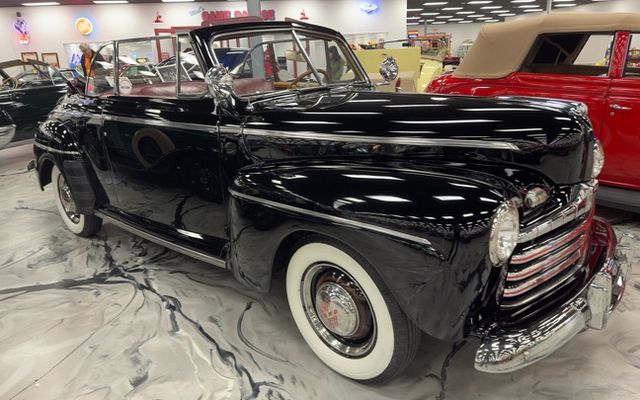
1946 Ford Super De Luxe 2-Door Convertible
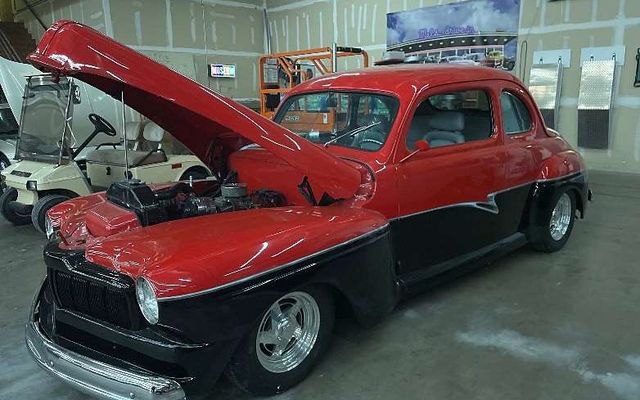
1946 Mercury Eight Coupe Custom
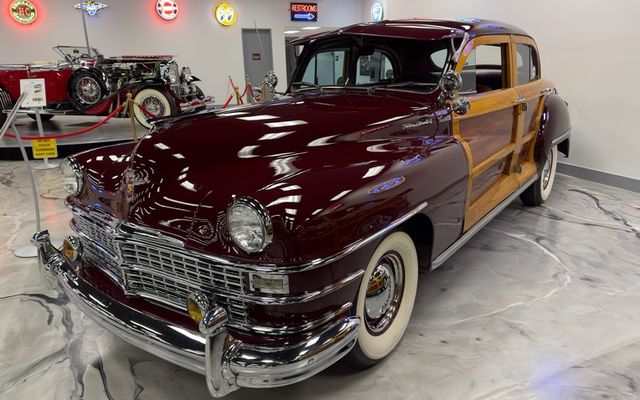
1947 Chrysler Town & Country Sedan
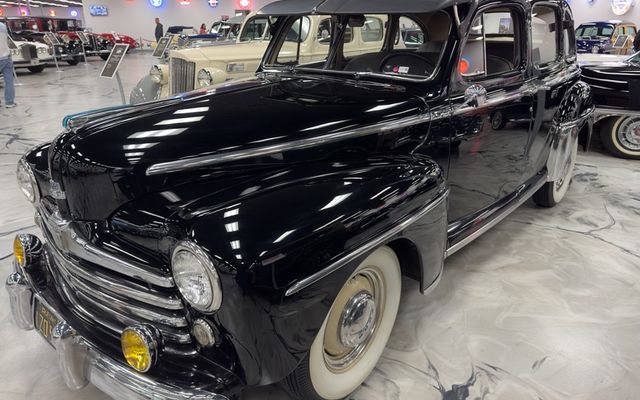
1947 Ford Super Deluxe Fordor
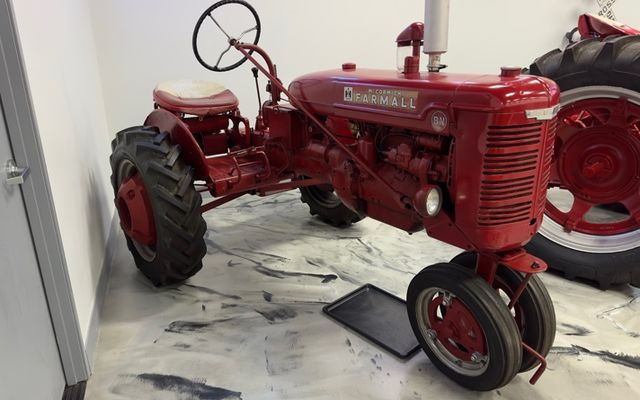
1947 McCormick Farmall BN Culti-Vision Tractor
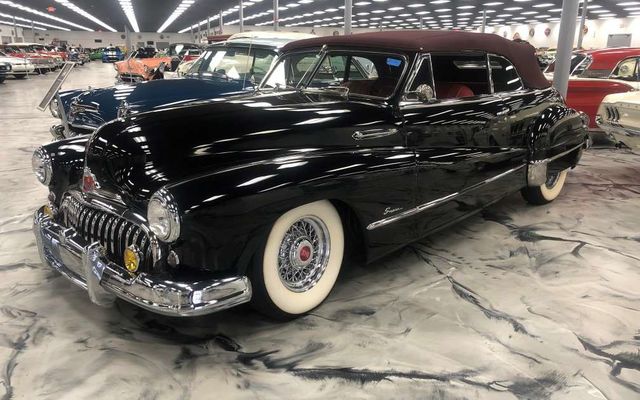
1948 Buick Super Convertible
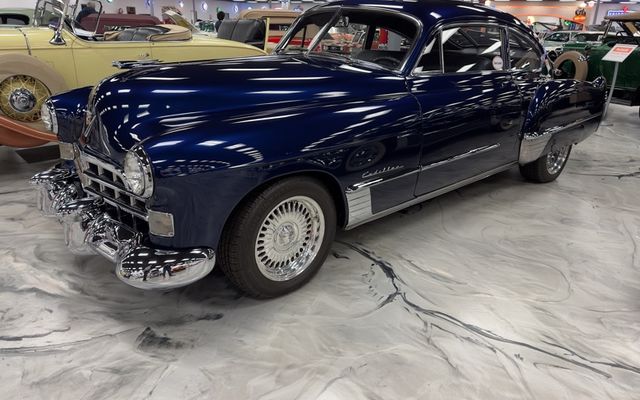
1948 Cadillac Series 62 2-Door Fastback
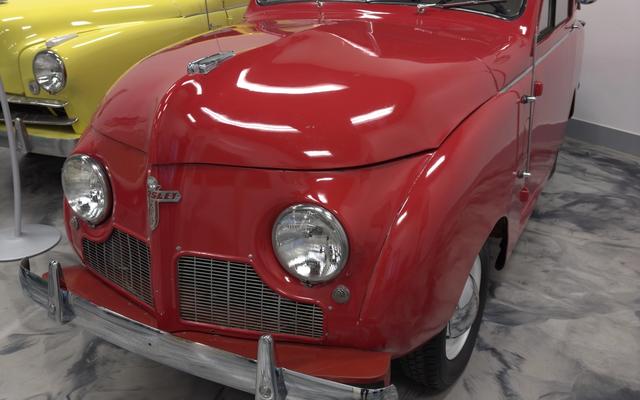
1948 Crosley CC Convertible
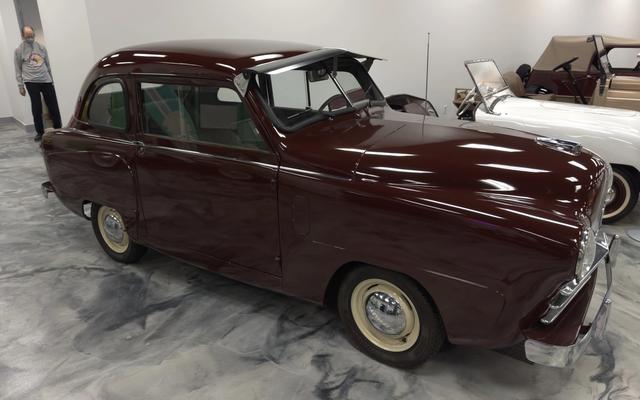
1948 Crosley Super Sedan
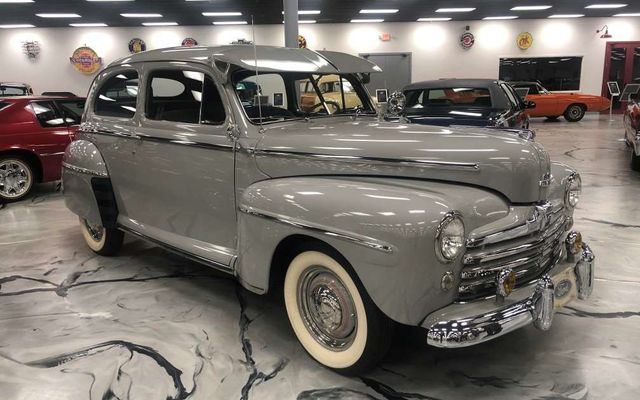
1948 Ford Super Deluxe Sedan