- Production
- about 81,942 for 1951
- Wheelbase
- 100 inches
The 1951 Henry J is a fascinating piece of postwar American automotive history: a compact, no-frills economy car built by the Kaiser-Frazer Corporation and named after its chairman, industrialist Henry J. Kaiser. It is often remembered as one of the earliest American attempts at a truly affordable “people’s car” in the modern era, predating the big compact wave of the late 1950s.
Henry J. Kaiser, famous for shipbuilding during World War II and later for healthcare innovation, partnered with Joseph W. Frazer to form Kaiser-Frazer after the war. Their initial full-size cars sold well in the postwar seller’s market, but Kaiser wanted to expand downward with a genuinely cheap, basic car that could seat five adults, cruise at 50-plus mph, and retail for no more than about $1,300 including taxes and prep: roughly a modern Model T for the average family.
The Henry J debuted publicly on September 28, 1950, as a 1951 model, assembled at the massive Willow Run plant in Michigan. It was engineered for low cost: simple body-on-frame construction on a 100-inch wheelbase, about 174.5 inches long, with a tallish, stubby fastback two-door sedan design. There was no trunk lid (access was through a folding rear seat), no glovebox in base models, fixed rear windows, and minimal frills. It rode on a conventional channel-frame chassis.
There were two powertrain options for 1951. The base Standard model used a 134 cubic-inch (2.2 liter) Willys flathead inline four of about 68 horsepower, claiming up to 35 mpg and a top speed around 80 mph. The Deluxe model offered an optional 161 cubic-inch flathead inline six of about 80 horsepower. Both used a three-speed manual transmission with overdrive available, rear-wheel drive, conventional steering, and drum brakes. Curb weight was light at around 2,300 to 2,340 pounds.
Production for the extended 1951 model year was strong at roughly 81,942 units, mostly Deluxes, making it one of the better-selling early compacts that year. Total Henry J output across 1951 to 1954 reached about 115,000 to 130,000, but numbers dropped sharply after the strong debut as buyer preferences shifted back toward bigger, more feature-rich cars.
The car had some notable quirks. The large one-piece roof and deck stamping was innovative for cost savings. Some 1952 “Vagabond” models were actually rebadged leftover 1951s with minor updates, such as a continental spare tire kit. Sears, Roebuck even sold a rebadged version called the Allstate through its catalog for a couple of years.
Spec sheet
- Engine134 cubic-inch Willys flathead inline four
- Power68 horsepower (80 with the optional six)
- Transmission3-speed manual, overdrive available
- Wheelbase100 inches
- Weightabout 2,300 pounds
- Productionabout 81,942 for 1951
Post-War & Chrome / 1946–1959
More from the collection.
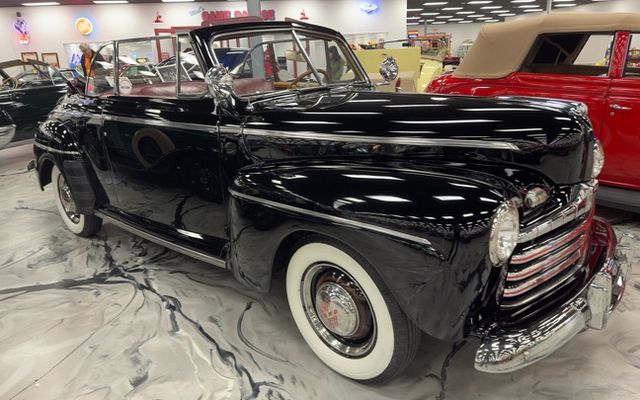
1946 Ford Super De Luxe 2-Door Convertible
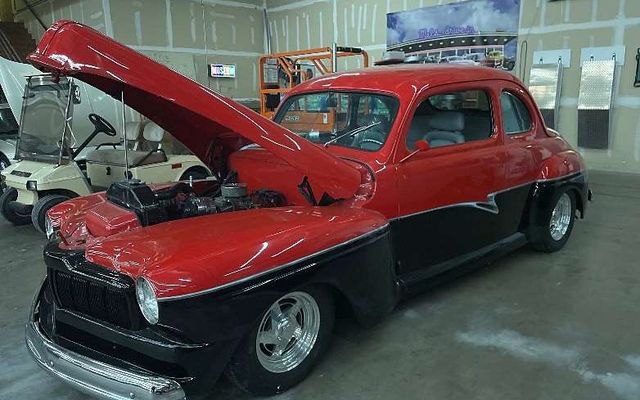
1946 Mercury Eight Coupe Custom
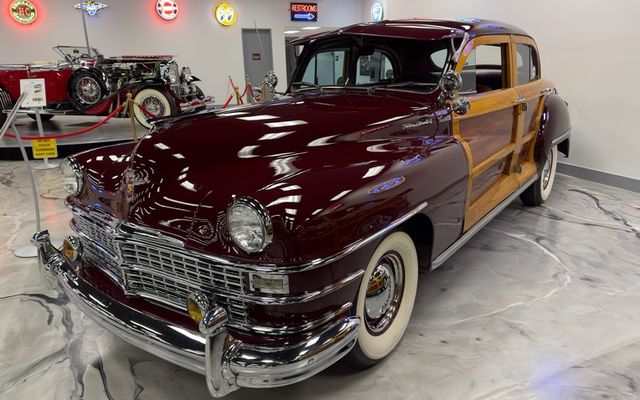
1947 Chrysler Town & Country Sedan
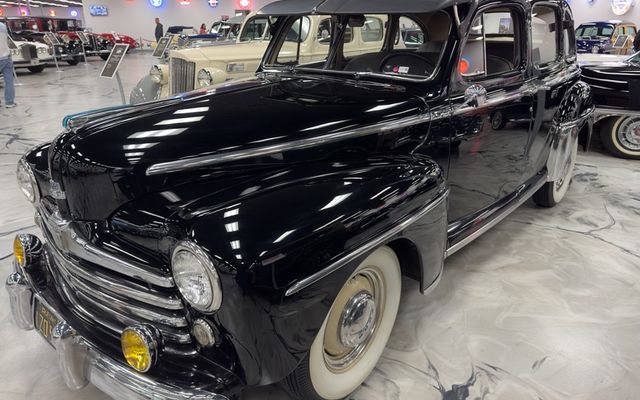
1947 Ford Super Deluxe Fordor
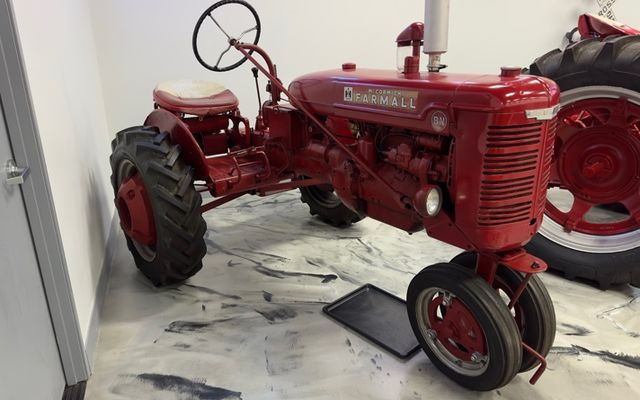
1947 McCormick Farmall BN Culti-Vision Tractor
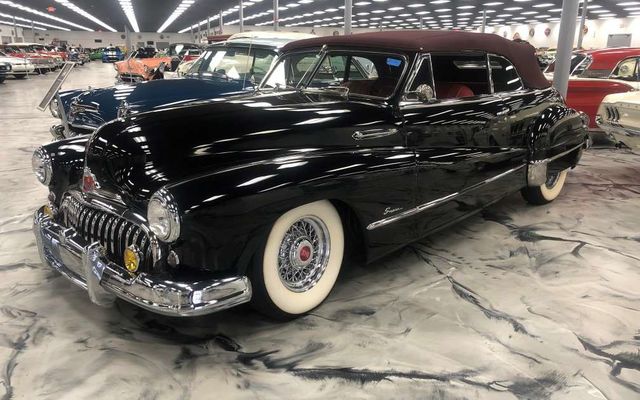
1948 Buick Super Convertible
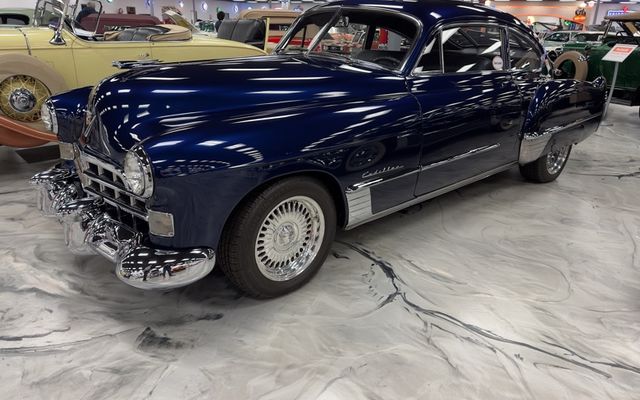
1948 Cadillac Series 62 2-Door Fastback
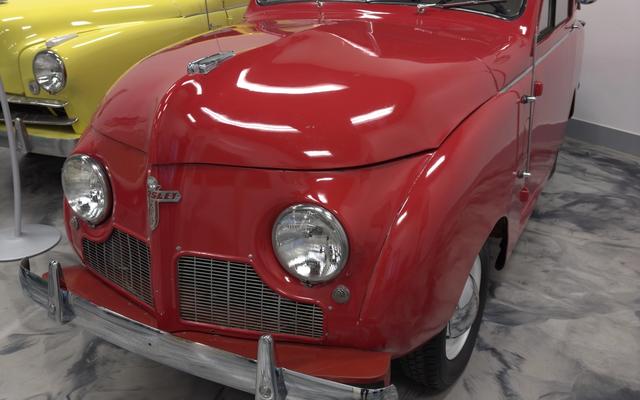
1948 Crosley CC Convertible
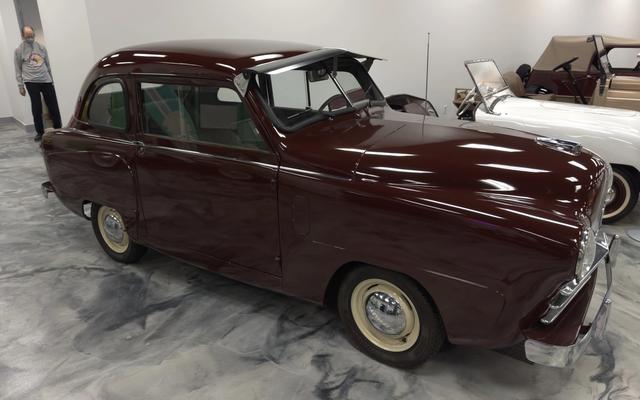
1948 Crosley Super Sedan
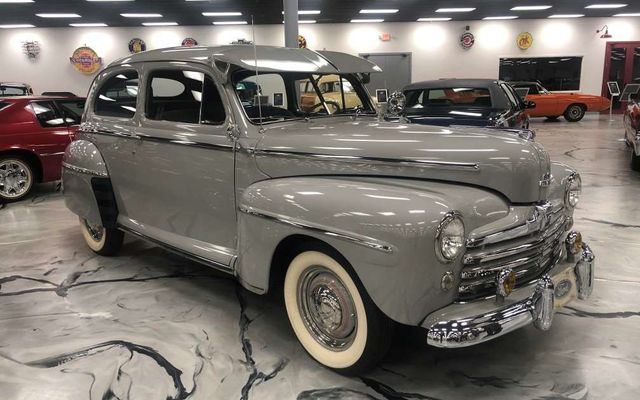
1948 Ford Super Deluxe Sedan