No. 152 of 217
Development of the MGB started at least as early as 1958 with the prototype known by its Abingdon codename; MG EX205. In structure the car was a progressive, modern design in 1962, using a unitary structure, instead of the traditional body-on-frame construction used on both the MGA and MG T-types and the MGB's rival, the Triumph TR series. However, components such as brakes and suspension were developments of the earlier 1955 MGA, with the B-Series engine having its origins in 1947. The lightweight design reduced manufacturing costs while adding to overall vehicle strength. Wind-up windows were standard, and a comfortable driver's compartment offered plenty of legroom. A parcel shelf was fitted behind the seats.
The MGB achieved a 0–60 mph (97 km/h) time of just over 11 seconds. The three-bearing 1,798 cc B-Series engine produced 95 hp (71 kW) at 5,400 rpm – upgraded in October 1964 to a five-bearing crankshaft. From 1975, US-market MGB engines were de-tuned to meet emission standards, ride height was increased by an inch (25 mm), and distinctive rubber bumpers were fitted to meet bumper standards.
The MGB was one of the first cars to feature controlled crumple zones designed to protect the driver and passenger in a 30 mph (48 km/h) impact with an immovable barrier (200 ton). Nevertheless, the British AA motoring association has described the car, like many other classic models, as much less safe than modern cars. The issue received public attention following a 2013 case in which a driver in a hired 1963 MGB was killed in a collision with a taxi.
A limited production of 2,000 units of the RV8 was produced by Rover in the 1990s. Despite the similarity in appearance to the roadster, the RV8 had less than 5% parts interchangeability with the original car.
The MGB remains a popular choice for collectors due to inexpensive and readily available parts and simple mechanics.
The fixed-roof MGB GT was introduced in October 1965. Production continued until 1980, although export to the US ceased in 1974. The MGB GT sported a ground-breaking greenhouse design that launched the sporty "hatchback" style.
By combining the sloping rear window with the rear deck lid, the GT offered the utility of a station wagon while retaining the style and shape of a coupe.
This new configuration was a 2+2 design with a right-angled rear bench seat and far more luggage space than in the roadster. Relatively few components differed, although the MGB GT did receive different suspension springs and anti-roll bars and a different windscreen which was more easily and inexpensively serviceable.
Although acceleration of the 1971 GT was slightly slower than that of the roadster due to its increased weight, top speed improved by 5 miles per hour to 105 miles per hour because of better aerodynamics.
109.8 cubic-inch inline 4-cylinder engine
92 horsepower
4-speed manual transmission
59.9-inch wheelbase
Original price of $11,495
Rick DeBruhl Commentary - "MGB GT and the British Invasion"
Muscle & Speed / 1960–1979
More from the collection.
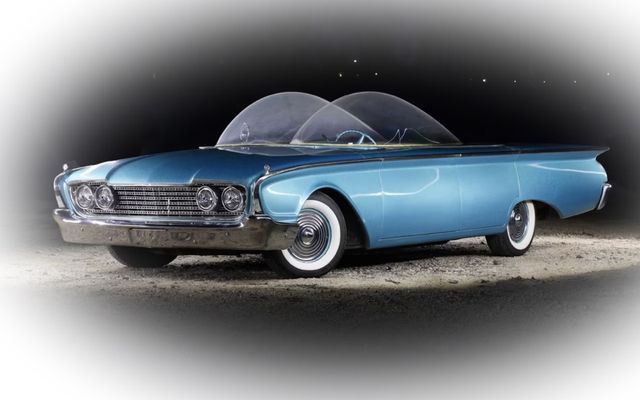
1960 Ford Fairlane “The Spaceliner” Custom Concept
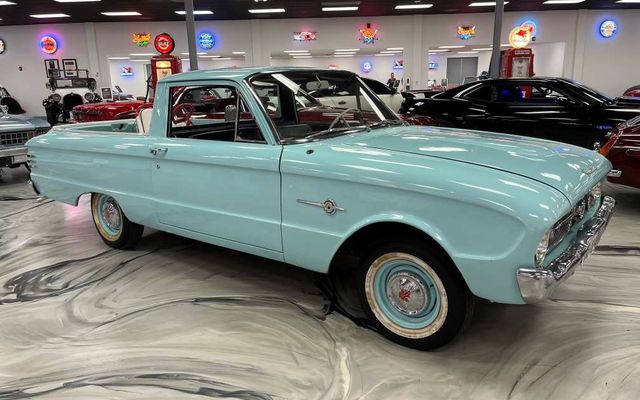
1960 Frontenac Falcon Ranchero
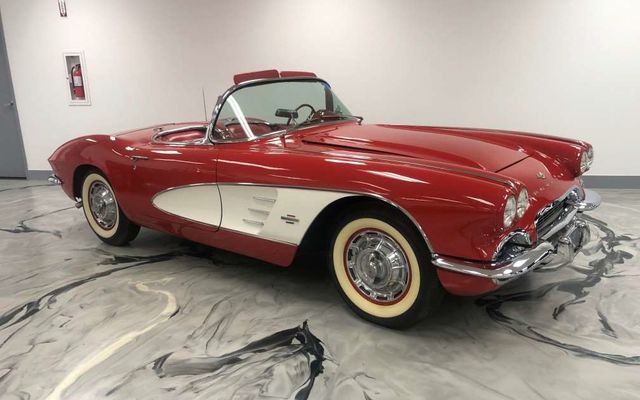
1961 Chevrolet Corvette C1 Convertible
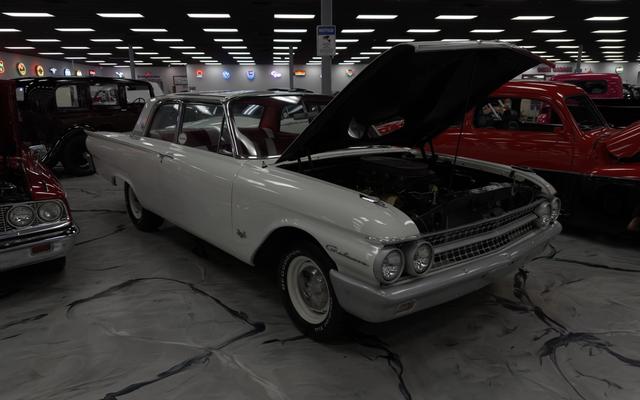
1961 Ford Galaxie Club Sedan
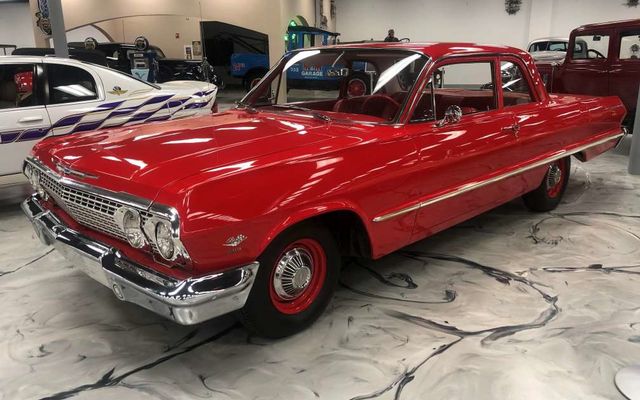
1963 Chevrolet Bel Air 5th Gen.
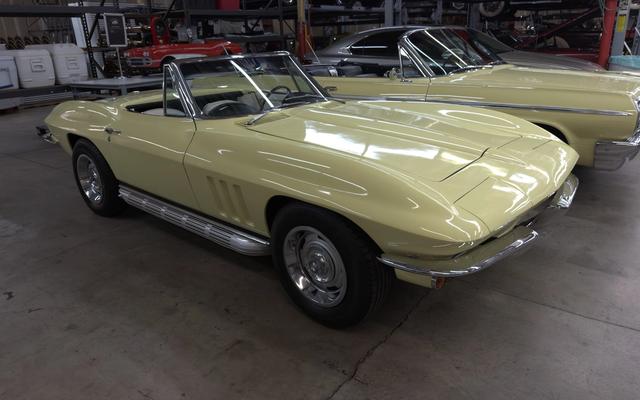
1963 Chevrolet Corvette Convertible
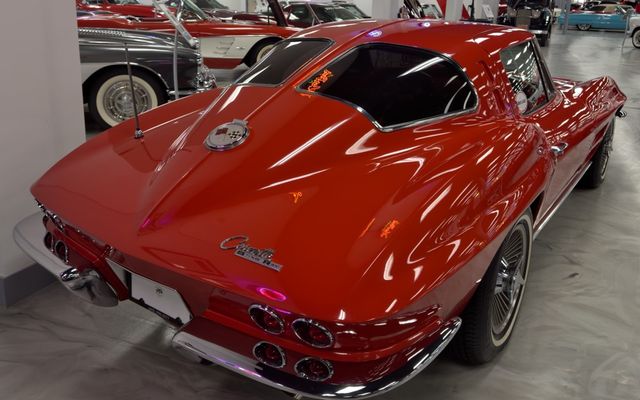
1963 Chevrolet Corvette Split Window C2
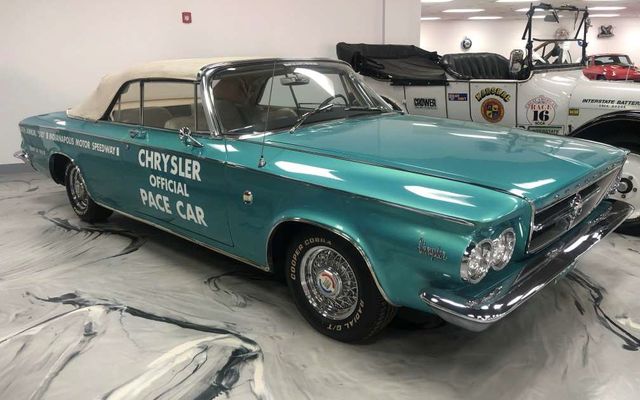
1963 Chrysler 300 Pace Setter Convertible
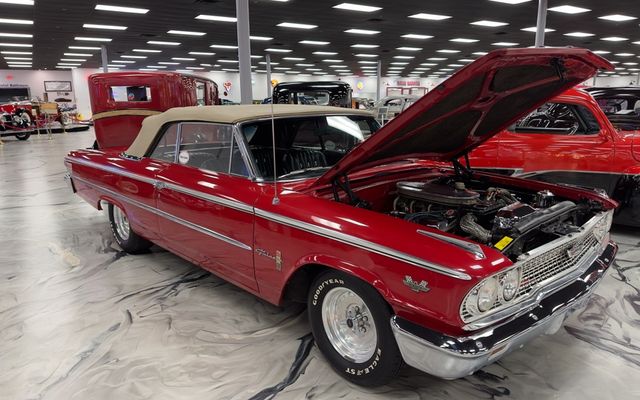
1963 Ford Galaxie 500/XL Convertible
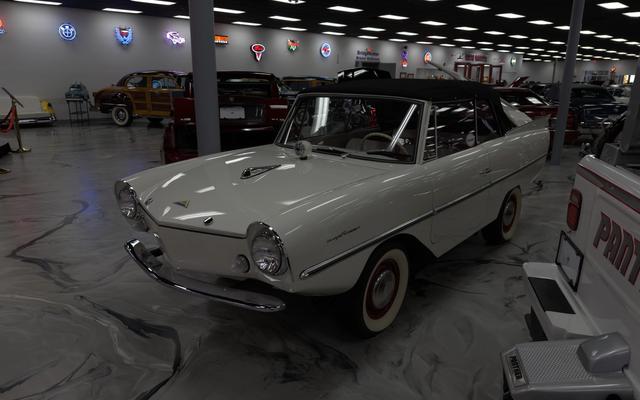
1964 Amphicar Model 770