No. 135 of 217
The 1967 Corvette Sting Ray was the last Corvette of the second generation, and five years of refinements made it the best of the line. Although it was meant to be a redesign year, its intended successor the C3 was found to have some undesirable aerodynamic traits. Duntov demanded more time in the wind tunnel to devise fixes before it went into production.
Changes were again modest: Five smaller front fender vents replaced the three larger ones, and flat-finish rockers sans ribbing conferred a lower, less chunky appearance. New was a single backup light, mounted above the license plate. The previous models' wheel covers gave way to slotted six-inch Rally wheels with chrome beauty rings and lug nuts concealed behind chrome caps. Interior alterations were modest and included revised upholstery, and the handbrake moved from beneath the dash to between the seats. The convertible's optional hardtop was offered with a black vinyl cover, which was a fad among all cars at the time.
The 427 was available with a 1282 ft³/min (605 L/s) Rochester 3X2-barrel carburetors arrangement, which the factory called Tri-Power producing 435 bhp (441 PS; 324 kW) at 5800 rpm and 460 lb⋅ft (624 N⋅m) at 4,000 rpm of torque. The ultimate Corvette engine for 1967 was coded L88, even wilder than the L89, and was as close to a pure racing engine as Chevy had ever offered in regular production. Besides the lightweight heads and bigger ports, it came with an even hotter camshaft, stratospheric 12.5:1 compression, an aluminum radiator, small-diameter flywheel, and a single huge Holley four-barrel carburetor. Although the factory advertised L88 rating was 430 bhp at 4,600 rpm, the true rating was said to be about 560 bhp at 6,400 rpm. The very high compression ratio required 103-octane racing fuel, which was available only at select service stations. Clearly this was not an engine for the casual motorist. When the L88 was ordered, Chevy made several individual options mandatory, including Positraction, the transistorized ignition, heavy-duty suspension, and power brakes, as well as RPO C48, which deleted the standard heater and defroster to cut down on weight and discourage the car's use on the street. As costly as it was powerful – at an additional $1,500 over the base $4,240.75 price – the L88 engine and required options were sold to a mere 20 buyers that year. With potential buyers anticipating the car's overdue redesign, sales for the Sting Ray's final year totaled 22,940, down over 5,000 units from 1966 results. Meanwhile, Chevrolet readied its third-generation Corvette for the 1968 model year.
The base price of the 1967 Corvette was approximately $6,000. Today, this model is valued at approximately $75,000.
327 cubic-inch V-8 engine (NOTE: This car has the hood from a 427 cubic-inch Corvette)
350 horsepower
4-speed manual transmission
98-inch wheelbase
Rick DeBruhl Commentary - "Best Corvette Ever?"
Muscle & Speed / 1960–1979
More from the collection.
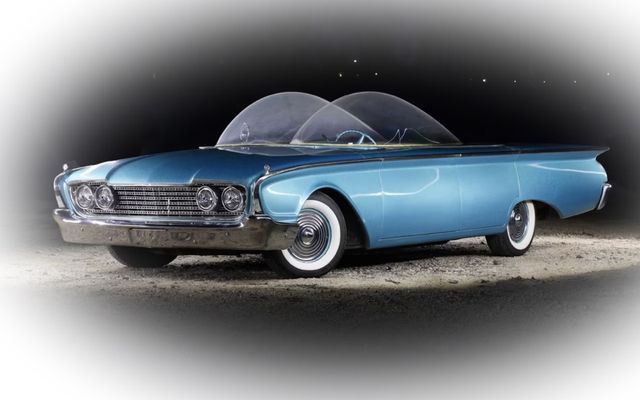
1960 Ford Fairlane “The Spaceliner” Custom Concept
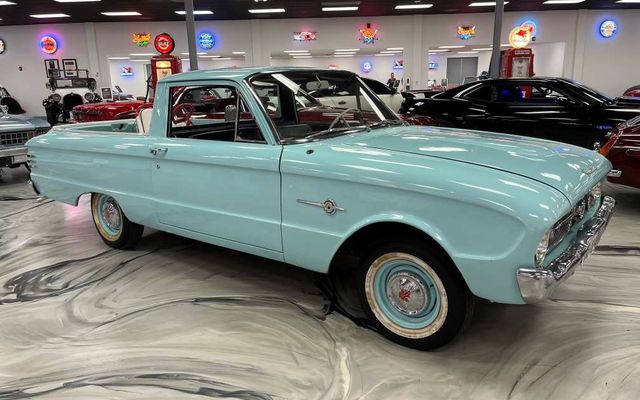
1960 Frontenac Falcon Ranchero
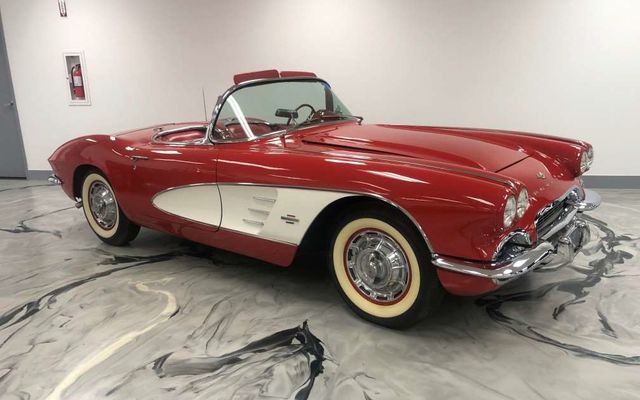
1961 Chevrolet Corvette C1 Convertible
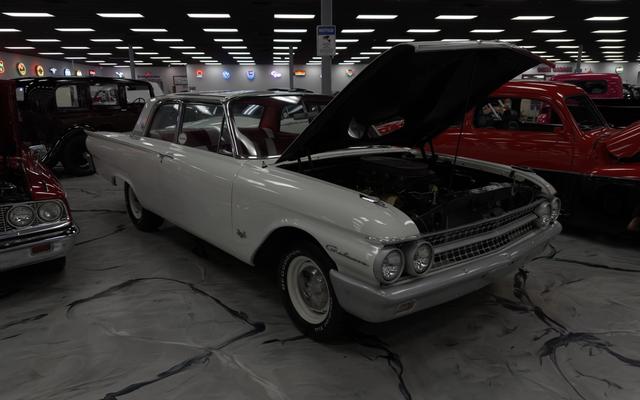
1961 Ford Galaxie Club Sedan
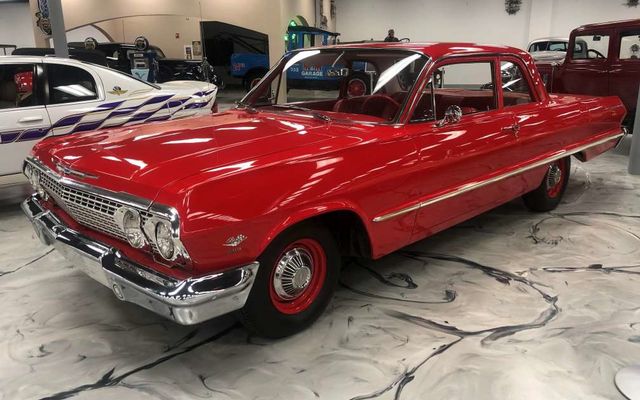
1963 Chevrolet Bel Air 5th Gen.
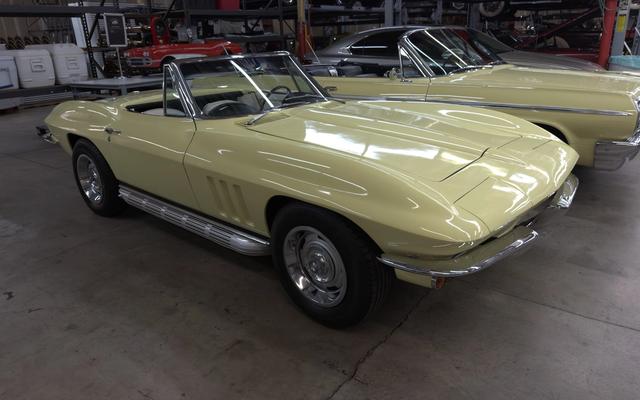
1963 Chevrolet Corvette Convertible
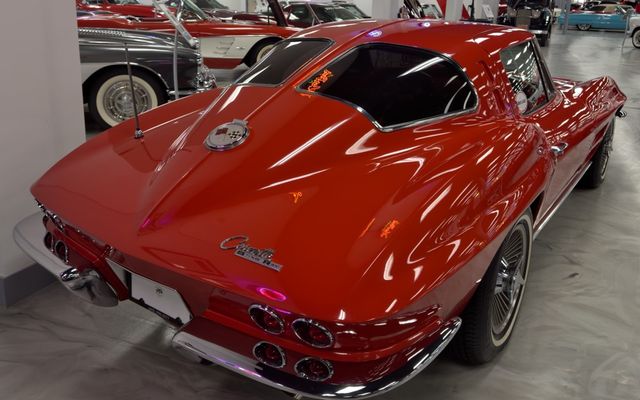
1963 Chevrolet Corvette Split Window C2
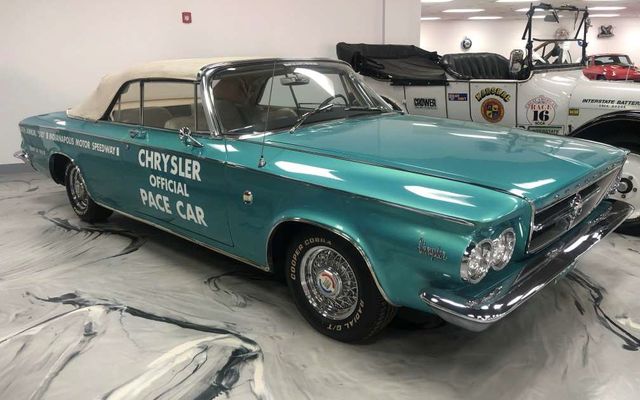
1963 Chrysler 300 Pace Setter Convertible
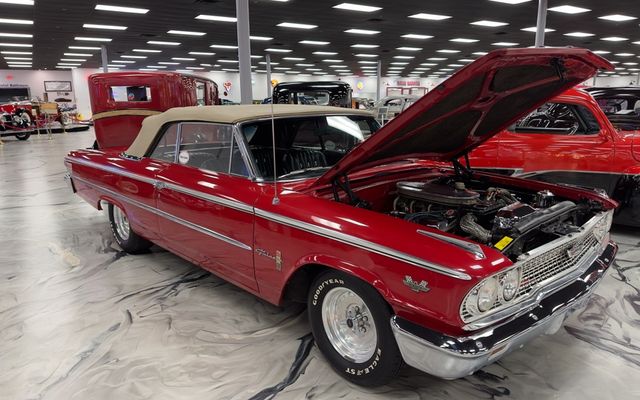
1963 Ford Galaxie 500/XL Convertible
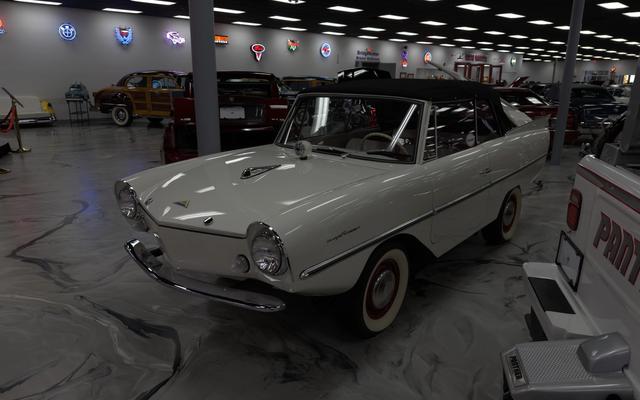
1964 Amphicar Model 770