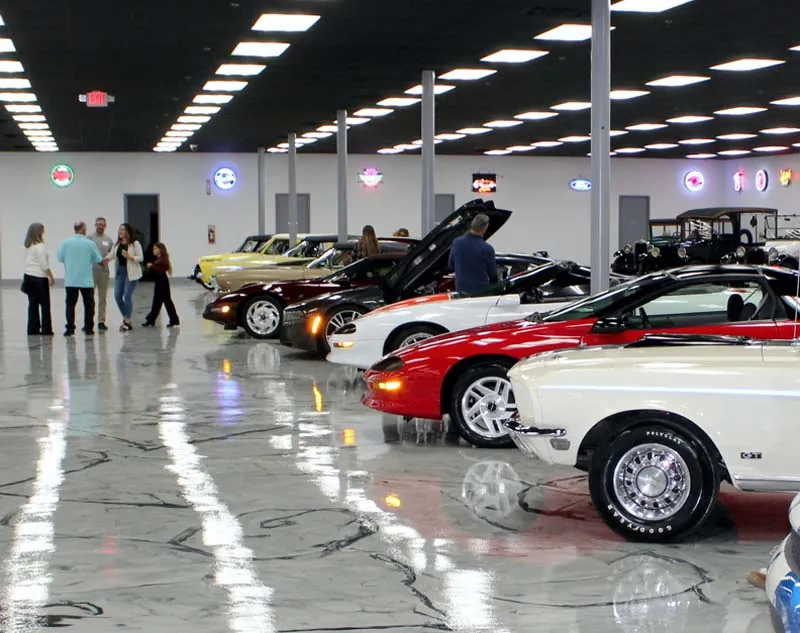
No. 130 of 217
The first-generation Ford Mustang was manufactured by Ford from March 1964 until 1973. The introduction of the Mustang created a new class of automobiles known as pony cars. The Mustang's styling, with its long hood and short deck, proved wildly popular and inspired a host of competition.
It was introduced on April 17, 1964, as a hardtop and convertible, with the fastback version following in August 1964. Upon introduction, the Mustang, sharing its platform with the Falcon, was slotted into the compact car segment.
The first-generation Mustangs grew in overall dimensions and engine power with each revision. The 1971 model featured a drastic redesign. After an initial surge, sales steadily declined, and Ford began working on a new generation Mustang. With the onset of the 1973 oil crisis, Ford was prepared, having already designed the smaller Mustang II for the 1974 model year. This new car shared no components with preceding models.
As Lee Iacocca's assistant general manager and chief engineer, Donald N. Frey was the head engineer for the Mustang project supervising the development of the Mustang in a record 18 months from September 1962 to April 1964. while Iacocca himself championed the project as Ford Division general manager.
Drawing on inspiration from the mid-engined Ford Mustang I concept vehicle, Lee Iacocca ordered the development of a new "small car" to vice-president of design at Ford, Eugene Bordinat.
Bordinat tasked Ford's three design studios (Ford, Lincoln-Mercury, and Advanced Design) to create proposals for the new vehicle.
The design teams had been given five goals for the design of the Mustang: It would seat four, have bucket seats and a floor-mounted shifter, weigh no more than 2,500 pounds (1,100 kg), be no more than 180 inches (5 m) in length, sell for less than US$2,500 (equivalent to $24,560 in 2023), and have multiple power, comfort, and luxury options.
Although the first few years were definitely good for Ford and its sporty Mustang, 1966 was the year all that hard work truly began to pay off. By 1966, most people began to associate the Ford Mustang with power and performance. It was the car to have if you needed a daily driver and it was the car to have if you needed a weekend cruiser with a sporty edge. It was a car for everyone who enjoyed a well-made vehicle, liked to drive and enjoyed looking great doing it.
In all, there were minimal changes to the Mustang in 1966. Production began in August of 1965 and the lineup featured Coupe, Convertible and Fastback trims.
For 1966, The Mustang sported additional new colors, a redesigned grille, a new instrument cluster, and fresh style on the wheels. An automatic transmission became available for the "Hi-Po" V-8. Side scoops had a chrome trim with three wind-splits, and GT models received a new gas cap and driving lamps that now came standard.
The base price for the 1966 Ford Mustang Coupe was $2,416, and the price of the GT package was $276. Of the record 607,568 Mustangs produced in 1966, only 25,515 were GT models.
This car is one of several in the museum that was restored and donated to the museum by Barry Norman. This Mustang has a beautiful and rare Mustang Anniversary Gold paint job with a matching custom interior.
289 cubic-inch "Hi-Po" V-8 engine
225 horsepower
Autolite 4-barrel carburetor
3-speed Cruise-O-Matic automatic transmission
108-inch wheelbase
Dual exhaust
Muscle & Speed / 1960–1979
More from the collection.
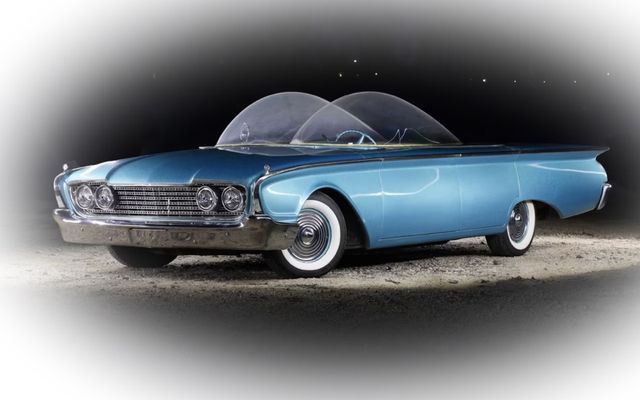
1960 Ford Fairlane “The Spaceliner” Custom Concept
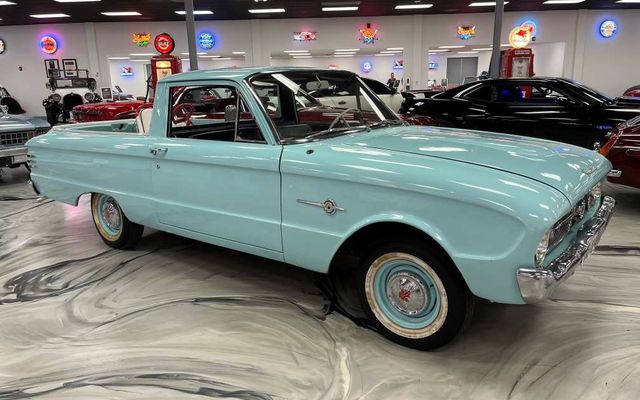
1960 Frontenac Falcon Ranchero
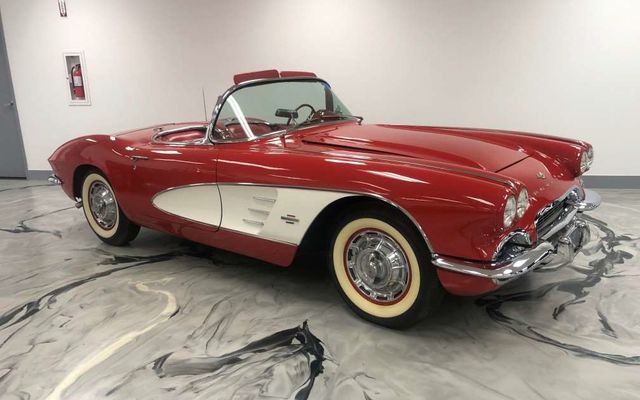
1961 Chevrolet Corvette C1 Convertible
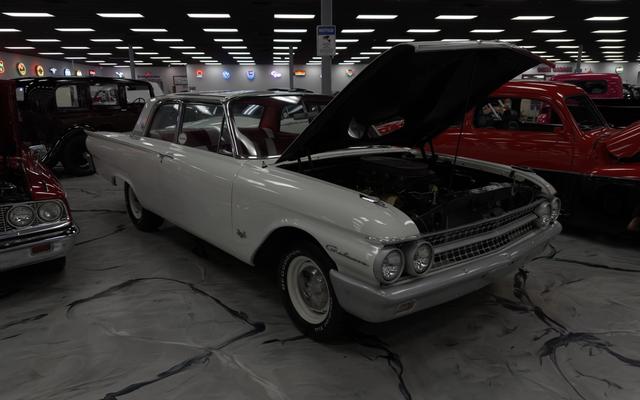
1961 Ford Galaxie Club Sedan
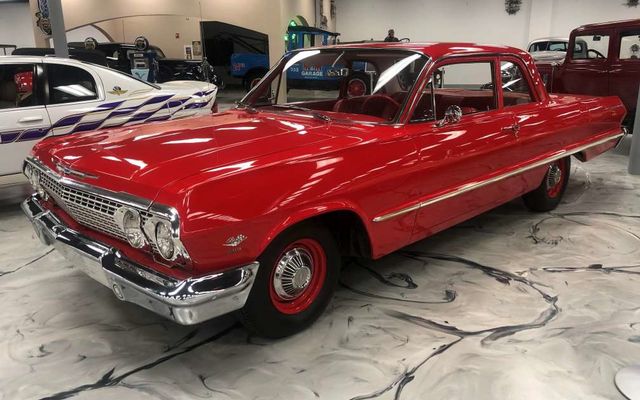
1963 Chevrolet Bel Air 5th Gen.
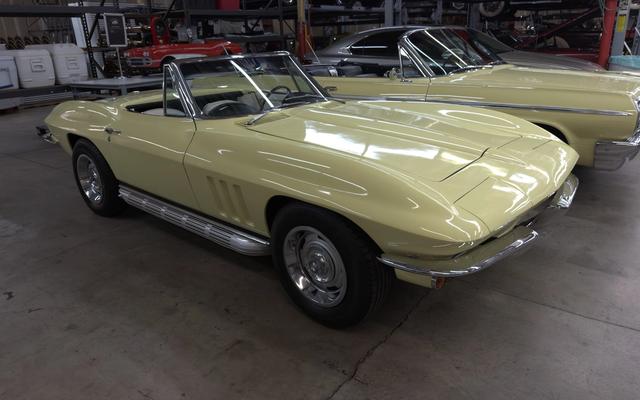
1963 Chevrolet Corvette Convertible
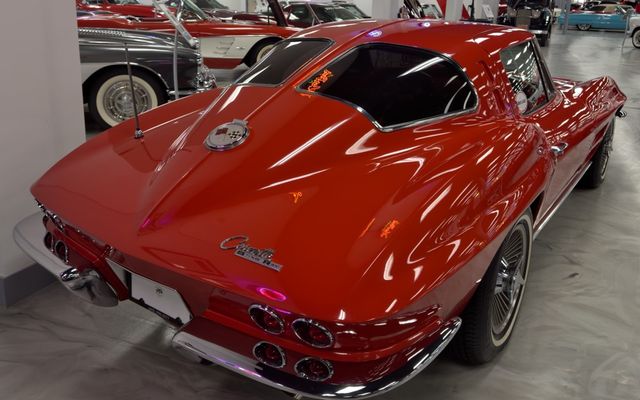
1963 Chevrolet Corvette Split Window C2
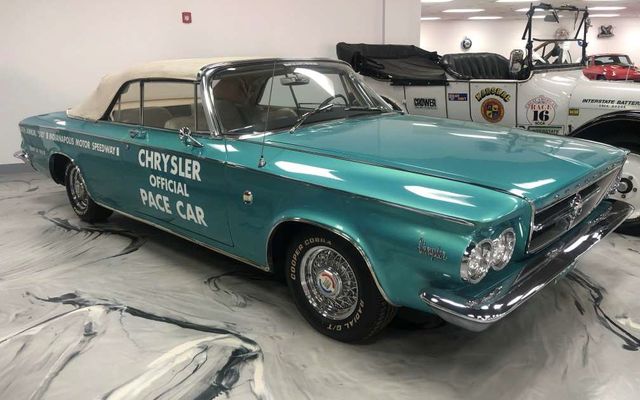
1963 Chrysler 300 Pace Setter Convertible
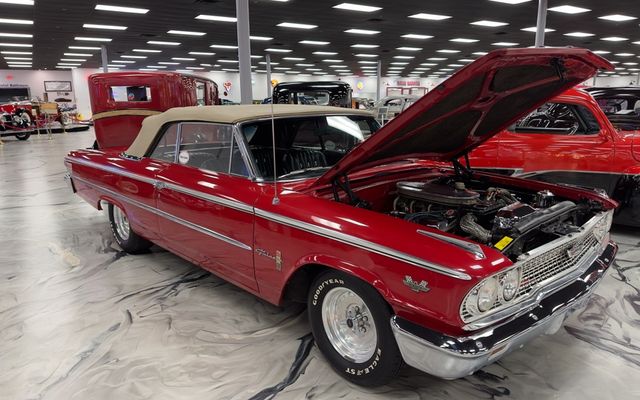
1963 Ford Galaxie 500/XL Convertible
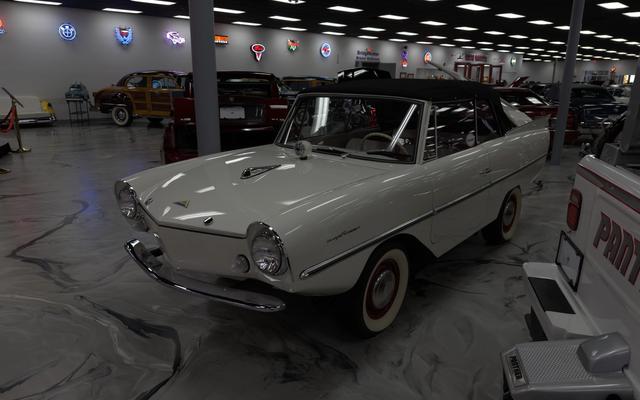
1964 Amphicar Model 770